

23 Best Digital Nomad Locations Remote Workers Can’t Stop Raving About
I have been a digital nomad since 2022, when running this travel blog became something I could do from pretty much anywhere with decent WiFi. But I had already spent the two years before that working remotely while vanlifing around America, so my transition into international nomad life was less dramatic than it probably sounds.
Since then, I have spent a lot of time in Southeast Asia and some time in Mexico. I have also met an absurd number of people doing some version of the same thing. Some own online businesses. Some have regular remote jobs. Some freelance. Some stay somewhere for three weeks, while others move into an apartment for six months.
And after enough conversations, you start hearing the same names. He’s leaving Bali for Da Nang because Bali got too expensive. Someone else loved Da Nang but missed partying, so they are going back to Bangkok. Another person is planning Buenos Aires after Mexico City because they want to stay close to American working hours.
These are those places, the best digital nomad locations around the world where you will be among a bunch of others doing the same thing.
Note: The monthly budgets below are approximate ranges renting furnished accommodation, eating out regularly, using cafés or coworking spaces, and actually having a life. You can spend much less by living locally and signing longer leases.

ASIA: Why Asia Is Still Hard to Beat for Digital Nomads
If somebody asked me where to test digital nomad life for the first time, I would probably send them to Asia.
The obvious reason is money. A one bedroom apartment that would destroy your budget in Lisbon, Melbourne, or Mexico City can still be reasonable in Chiang Mai, Hanoi, or Da Nang. Eating out every day is financially realistic in much of Southeast Asia. Laundry gets dropped off by the kilogram. Grab can replace owning a car. Good gyms, coworking spaces, cafés, massages, food delivery, and apartment buildings with pools are normal parts of life rather than occasional splurges.
The biggest tradeoff is time zones. If you need to work live American office hours, Southeast Asia can turn your workday into a night shift.
Chiang Mai, Thailand

Realistic monthly budget: $1,300 to $2,000
Chiang Mai is still the city I hear brought up most often when people talk about the classic digital nomad experience, and the place that I’ve called home for 4 winters.
The reason becomes obvious with distances. Within a few blocks you can have an apartment, gym, grocery store, coworking space, ten cafés you could comfortably open a laptop in, and more food than you could sample in a month. Thailand’s tourism authority itself describes Chiang Mai as a major remote worker base.
Nimman is the easiest landing point. Santitham tends to feel more residential and usually gives you more apartment for your money. I like being in the south personally, and the best apartments are further out by Central Festival.
I also like how quickly the city opens up into mountains. Doi Suthep sits above town, while northern Thailand gives you plenty of options once you need a weekend away. If you stay longer, my guides to the best time to visit Chiang Mai and Chiang Mai coffee shops for digital nomads are useful starting points.
Cons: Smoke season can be bad enough that many long term foreigners leave northern Thailand altogether. Roughly February through April deserves serious consideration when choosing dates.
Bangkok, Thailand

Realistic monthly budget: $1,600 to $2,600
Bangkok is what I recommend when someone likes the convenience of Thailand but thinks Chiang Mai sounds too sleepy.
This is a proper megacity. You have the BTS, MRT, huge hospitals, malls, food at every price point, international flights everywhere, coworking spaces, late night restaurants, delivery apps, gyms, nightlife, and essentially every service you could want.
Bangkok is also less of a digital nomad bubble than Chiang Mai. You meet remote workers, but you also meet expats, founders, corporate employees, teachers, and people who have been living in Thailand for years.
Cons: Traffic can consume an unreasonable amount of your life. Pick somewhere near the train rather than assuming a cheap apartment two miles away is convenient.
Da Nang, Vietnam

Realistic monthly budget: $1,100 to $1,700
I finally did my first Da Nang stint after hearing about it for years, and it is 100% added as part of my rotation now.
You get a long beach, inexpensive apartments, Vietnamese food, gyms, cafés, coworking, Grab, an airport in the middle of the city, and enough remote workers that meeting people is easy without the whole place feeling built for foreigners.
An Thuong is the obvious first base. It sits just inland from My Khe Beach and has become the center of the international remote worker scene.
Hoi An is close enough for an afternoon or weekend, and central Vietnam gives you plenty to explore beyond the city. There are also so many activities all the time
Cons: Rainy season is bad, and police are quite strict when it comes to having a proper scooter license.
Kuala Lumpur, Malaysia

Realistic monthly budget: $1,500 to $2,300
Kuala Lumpur does not get talked about with the same romanticism as Bali or Chiang Mai.
You can live in a modern apartment building with a gym and pool, order nearly anything to your door, use English constantly, eat Malay, Chinese, Indian, Middle Eastern, and international food, and fly to most of Asia without much effort. For the quality of apartment you can get, KL can compare surprisingly well with other major Asian capitals.
Malaysia also has its DE Rantau program aimed specifically at remote professionals, which is one reason I would consider KL for somebody looking beyond a simple tourist stay.
Canggu and Pererenan, Bali, Indonesia

Realistic monthly budget: $1,800 to $3,200
Bali might be the most complained about place that digital nomads keep returning to.
Traffic is bad. Villas cost far more than they used to. Construction seems endless. Canggu can feel more like an international lifestyle district than Indonesia. And yet people (including myself) return.
The ecosystem is incredibly developed. Coworking spaces have call booths, pools, events, and social clubs. There are serious gyms, yoga studios, recovery centers, cafés designed for laptops, networking events, founders, creators, agencies, coaches, and people building every variety of online business. And let’s be honest, they are incredible attractive bunch.
Indonesia’s official tourism site now specifically promotes Canggu, Pererenan, and Ubud for workcations and lists coworking spaces with daily and monthly memberships.
Ubud is the alternative if you care more about yoga, greenery, wellness, and a slower routine. My three day Ubud itinerary gives you a feel for the area, while my Bali bucket list covers much more of the island.
Koh Phangan, Thailand
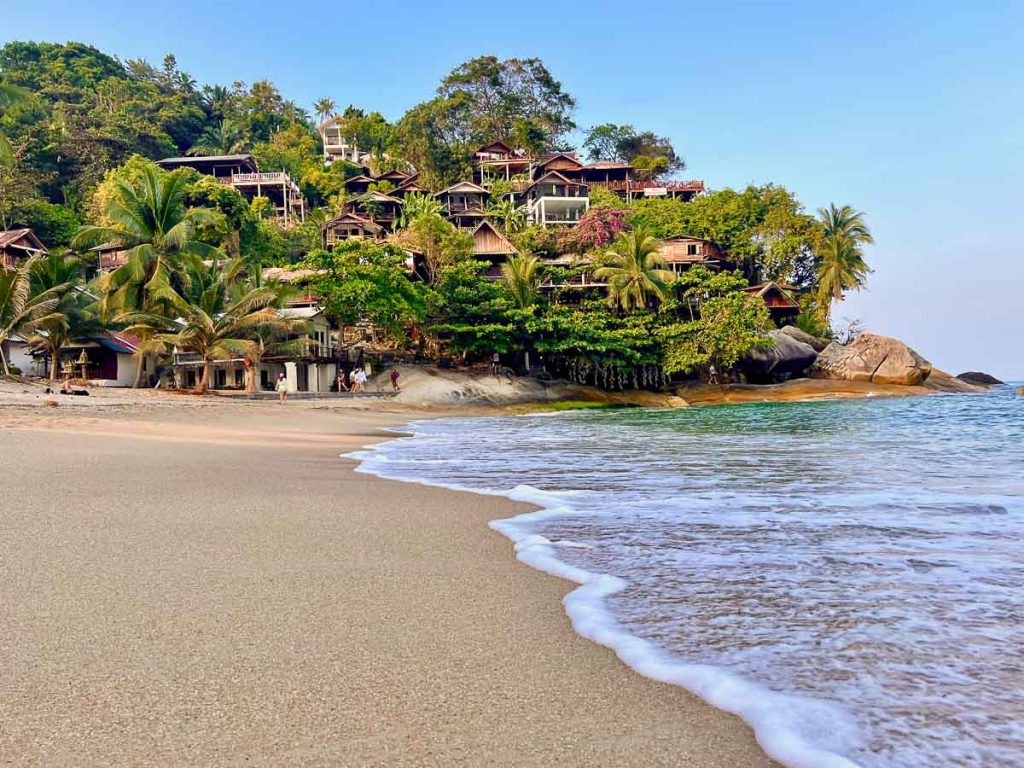
Realistic monthly budget: $1,500 to $2,500
Koh Phangan is still associated with the Full Moon Party by people who have never stayed there for long. Remote workers know a completely different island.
Sri Thanu and the west side have developed a large community around coworking, yoga, fitness, breathwork, cafés, wellness, entrepreneurship, and people staying for months rather than days.
The social part is one of the biggest reasons people love it. On Koh Phangan, you start recognizing the same people everywhere.
It also attracts a certain kind of nomad who is less interested in city sightseeing and more interested in building a daily routine around work, health, the beach, and community.
Cons: Around the full moon time, there is literally zero accommodation on the entire island and food costs a pretty penny.
Phuket, Thailand

Realistic monthly budget: $1,800 to $3,000
In Phuket, you have international hospitals, big supermarkets, gyms, shopping centers, coworking, an international airport, restaurants covering nearly every cuisine, and a large long term foreign population, especially of the Slavic persuation.
I honestly don’t want to list any particular neighborhoods, as I haven’t personally found a favorite yet to stay. It’s so big, you may need to find out the vibes yourself. I would just stay away from Patong.
Phuket is also a good jumping off point for southern Thailand. Anyone planning to ride should read my guide to motorbike rental in Phuket.
Cons: Phuket is much bigger than people expect. Stay in the wrong part and you can spend a ridiculous amount of time crossing the island, and it is definitely not the cheapest place.
Hanoi, Vietnam

Realistic monthly budget: $1,200 to $1,900
Hanoi has always been a major travel city, but it also works surprisingly well as a longer remote base.
Tay Ho is the easiest place to start if you want apartments, international food, gyms, cafés, and a large foreign community. Staying closer to the Old Quarter puts you nearer the historic center but also deeper into Hanoi’s noise and movement.
The café culture is excellent for remote work. You can spend a month finding new coffee shops and still barely scratch the surface.
What really sets Hanoi apart is what sits beyond it. Ninh Binh is close enough for a short trip. Ha Long Bay is accessible. Northern mountain routes open up toward Ha Giang and Cao Bang.
Cons: Air pollution can be rough, traffic is intense, and Hanoi’s winter can be damp and grey.
LATIN AMERICA: Why Latin America Works So Well for North American Remote Workers
Latin America solves the biggest problem I have with working from Southeast Asia: the clock. If your clients, team, or meetings are in the United States or Canada, LATAM let you keep something resembling a normal workday.
The catch is that the famous neighborhoods are no longer incredibly cheap, and it is definitely not as safe as Asia.
Mexico City, Mexico

Realistic monthly budget: $2,000 to $3,500
Mexico City’s own tourism authority now maintains information specifically for remote workers, which says something about how established this scene has become.
Roma Norte and Condesa are the obvious first choices. They have leafy streets, restaurants, parks, cafés, galleries, gyms, and a large international population. Juárez puts you closer to Reforma and nightlife. Escandón can give you a more residential environment without moving far away.
The real strength of Mexico City is that you cannot exhaust it. You could stay three months and still keep finding museums, restaurants, neighborhoods, markets, and events. My Mexico transportation guide is useful if you plan to travel beyond the capital.
The time zone is another major advantage for American workers. Mexico City’s official remote work guide specifically highlights how easily working hours overlap with US and Canadian teams.
Cons: Roma and Condesa are expensive, traffic is bad, some areas are not the safest at night.
Medellín, Colombia
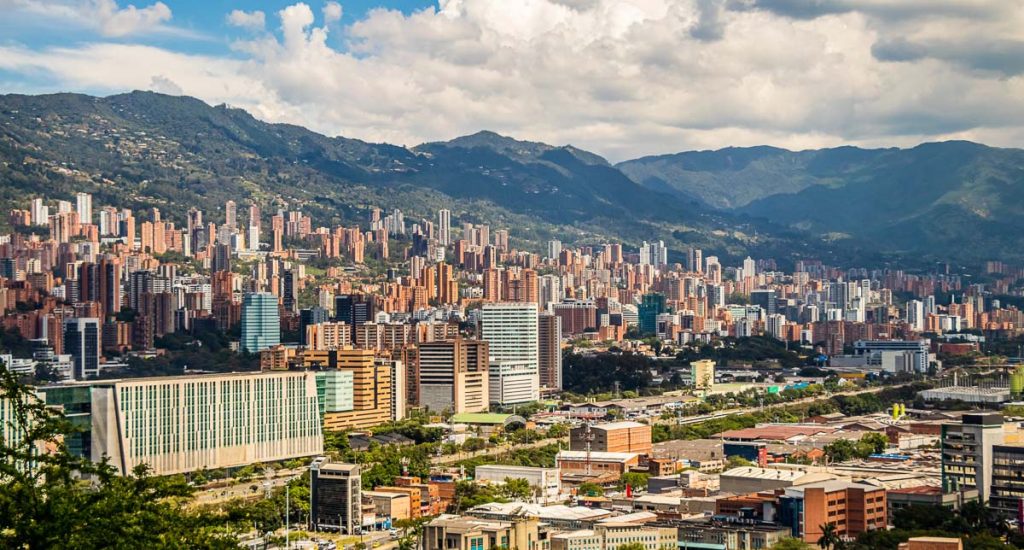
Realistic monthly budget: $1,700 to $2,700
Medellín may be the most divisive major digital nomad city right now.
People who love it talk about the climate, mountains, social scene, coworking, cafés, nightlife, apartments, and large foreign community. People who dislike it often mention safety first.
Colombia also has a digital nomad visa that can be issued for up to two years for qualifying remote workers whose income comes from outside Colombia.
Cons: Robberies, phone theft, and incidents involving dating apps have changed how many foreigners approach Medellín. Normal big city awareness needs to be considerably higher.
Buenos Aires, Argentina
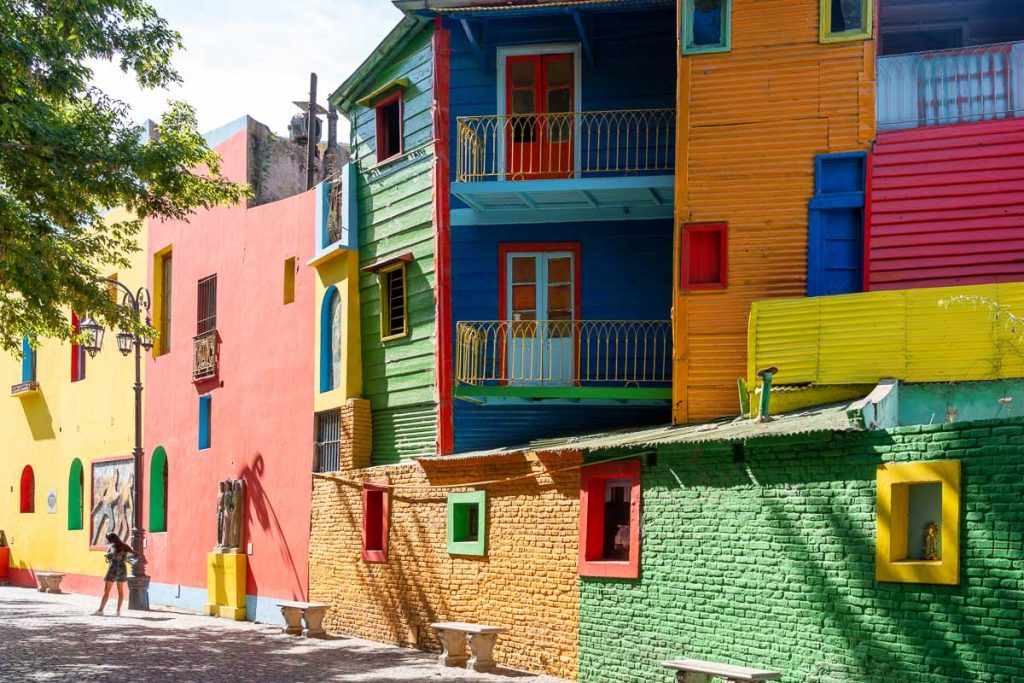
Realistic monthly budget: $1,600 to $2,600
I don’t understand when people in Buenos Aires sleep. Cafés are everywhere. Dinner starts later than most Americans are used to, and they don’t party until 1am, but then still go to work in the morning. And they party hard.
Argentina also maintains a formal temporary residence category for digital nomads from visa exempt countries, currently issued for 180 days with the possibility of another 180 day extension.
Cons: Argentina’s economy can make prices, exchange rates, and payment habits pretty unstable. Research how money actually works shortly before arriving rather than relying on a guide written two years ago.
Florianópolis, Brazil
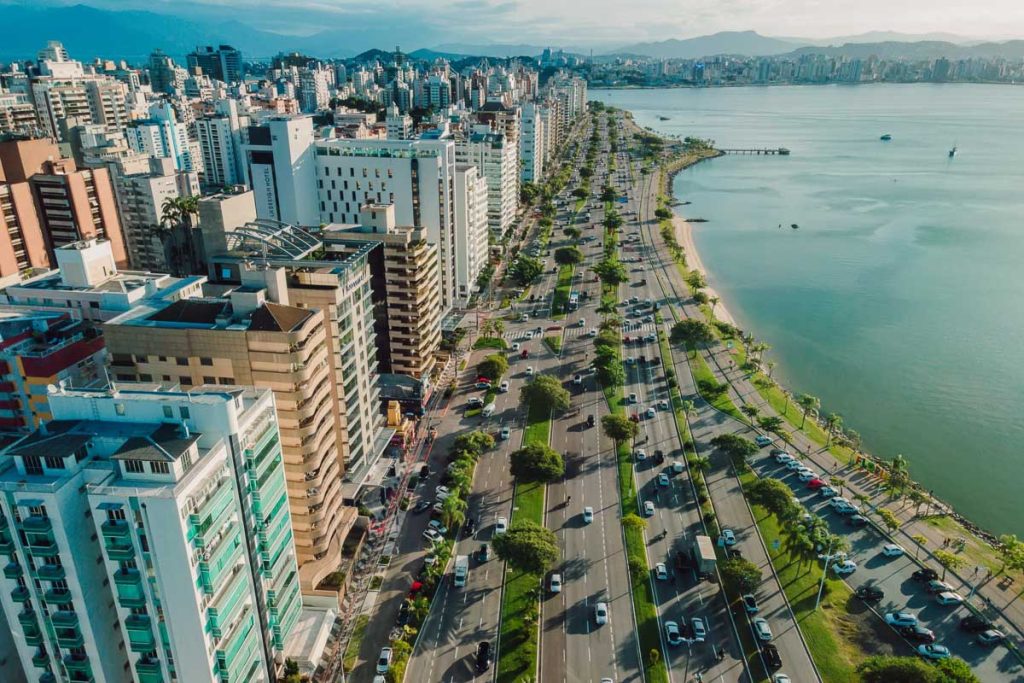
Realistic monthly budget: $1,600 to $2,500
Brazil’s tourism authority actively promotes Florianópolis to digital nomads and specifically highlights its coworking infrastructure, fast internet, outdoor lifestyle, and remote worker community.
The island is large, so location matters. Lagoa da Conceição is a good social base with restaurants and easy access to several parts of the island. Campeche has a stronger beach focus.
The season matters more here than in many cities. Brazilian summer brings more people, traffic, and higher accommodation prices. Outside peak season, Floripa becomes much easier to settle into.
Puerto Escondido, Mexico

Realistic monthly budget: $1,500 to $2,500
Puerto Escondido gives Mexico a completely different nomad option from Mexico City.
This is one of those places where I would never book a month long apartment solely from photos. Internet quality can vary enormously from property to property, and if your work depends on calls, ask for an actual speed test.
Puerto works best for someone who wants life to revolve around work, beach, food, surf, and a fairly compact social circle, but there are so many things to do in Puerto Escondido for how small it is.
Cons: Heat can be intense, infrastructure is much rougher than Mexico City, and La Punta housing has become expensive relative to the rest of the area.
EUROPE: Why Remote Workers Still Pay More to Live in Europe
Europe usually loses the price comparison and wins the lifestyle comparison.
You pay more for housing, but you get cities where you can walk out the door, use public transportation, meet friends for coffee, take trains between countries, spend a weekend somewhere completely different, and live without thinking about scooters or ride apps every time you need groceries.
The visa situation also requires more planning. Americans can travel within the Schengen Area under the normal short stay rules, but that is not the same as having long term residency or permission to base yourself there indefinitely. Portugal and Spain now have specific remote work residence routes.
Lisbon, Portugal

Realistic monthly budget: $2,700 to $4,200
Lisbon became one of Europe’s defining remote worker cities. There is an international startup scene, serious coworking infrastructure, widespread English, ocean access, good public transportation, and relatively mild winters.
Portugal also has a residence route specifically for people performing remote professional work for entities outside Portugal.
The problem is housing. Lisbon is no longer remotely comparable with Chiang Mai or Da Nang on price. A comfortable furnished apartment in a desirable central neighborhood can dominate your entire budget.
Cons: Rent is the obvious one. Lisbon’s popularity among international residents has also become part of a much larger local debate over housing affordability.
Valencia, Spain
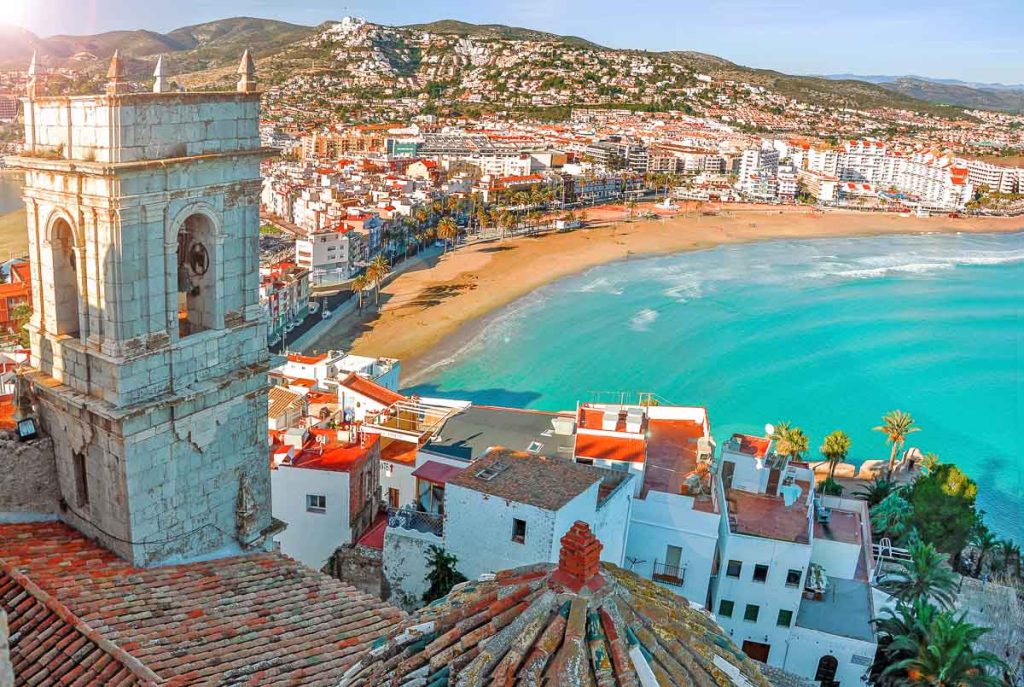
Realistic monthly budget: $2,200 to $3,500
Valencia is one of the most common answers when someone says, “I want Spain, but not Barcelona.”
The city has a beach, excellent cycling infrastructure, the enormous Turia Garden cutting through the city, restaurants, markets, coworking spaces, and a pace that feels easier than Madrid.
Valencia’s tourism authority openly promotes the city for remote work, pointing to coworking, international connections, mild winters, and rail links that put Madrid roughly ninety minutes away by high speed train.
Spain also has a dedicated telework visa. For 2026, an individual applicant needs to demonstrate qualifying remote employment or professional work plus minimum financial means tied to Spain’s minimum wage.
Cons: Short term furnished housing costs far more than local lease prices would suggest. July and August are also genuinely hot.
Funchal and Ponta do Sol, Madeira, Portugal
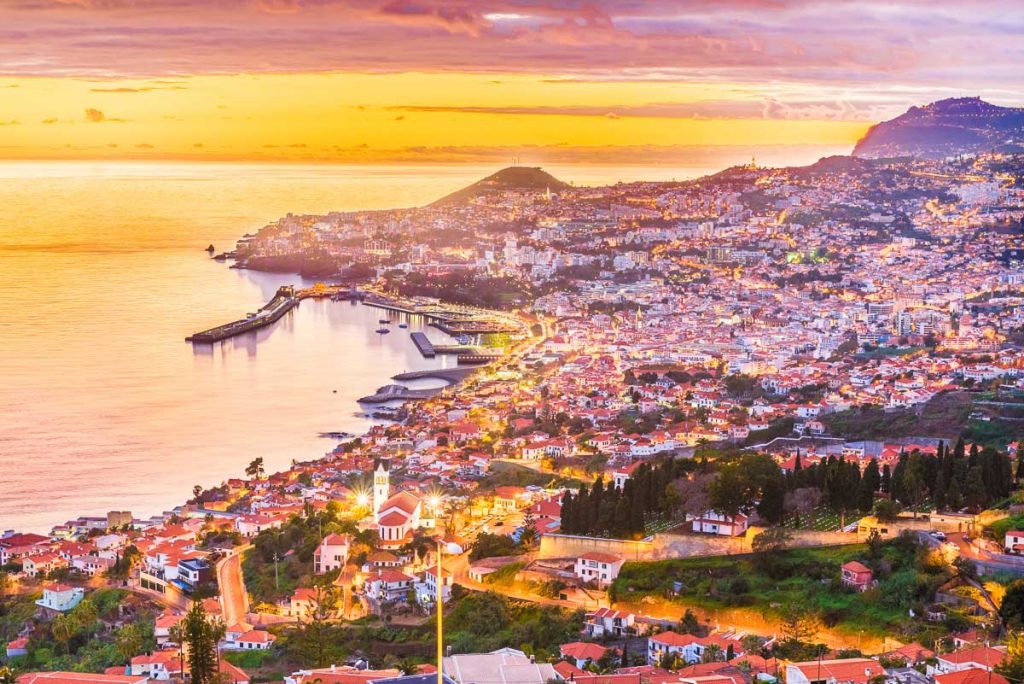
Realistic monthly budget: $2,200 to $3,500
Madeira did not accidentally become a digital nomad destination. The regional government and Startup Madeira deliberately built a program around it. This is one of the strongest options for someone who works seriously during the week but wants hiking and outdoor trips on days off.
The island is compact, but mountain roads mean distances can take longer than expected. Renting a car periodically opens up far more of Madeira.
Cons: Short term housing has become expensive, and the island is not going to satisfy somebody who needs big city nightlife every night.
Budapest, Hungary
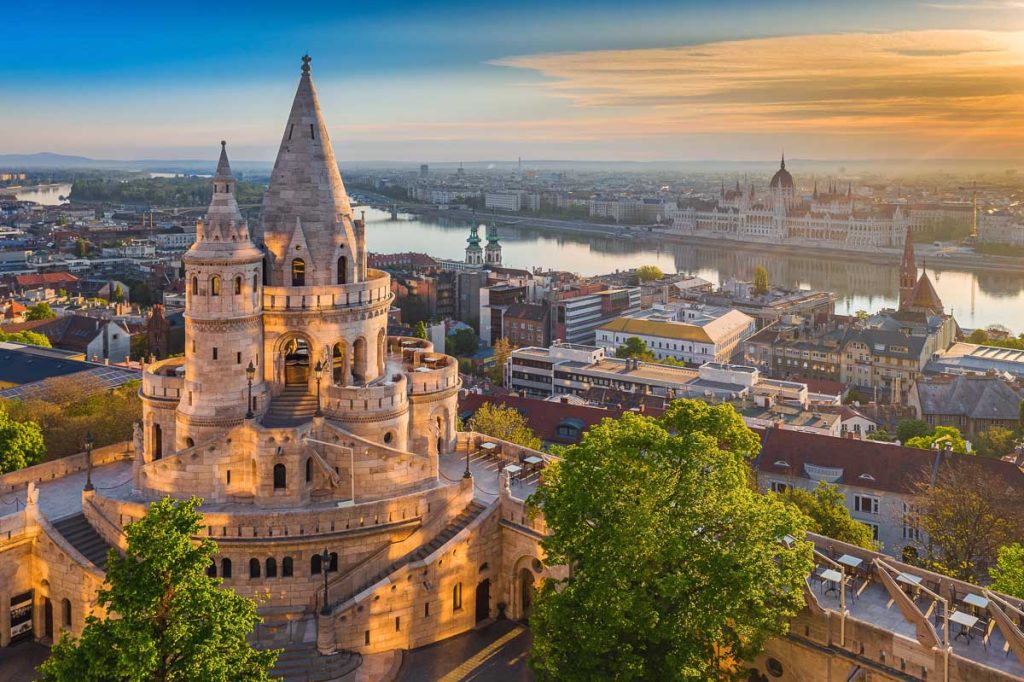
Realistic monthly budget: $1,900 to $2,900
Budapest remains one of Europe’s better city value propositions, although the era of it feeling incredibly cheap is mostly over. Compared with Lisbon or many Western European capitals, that can still look attractive.
You get excellent public transportation, cafés, coworking, thermal baths, nightlife, architecture, grocery stores that are easy to reach without a car, and strong connections elsewhere in Europe.
Cons: Winters are cold and dark, Hungarian is difficult, and rent has climbed considerably.
Bansko, Bulgaria
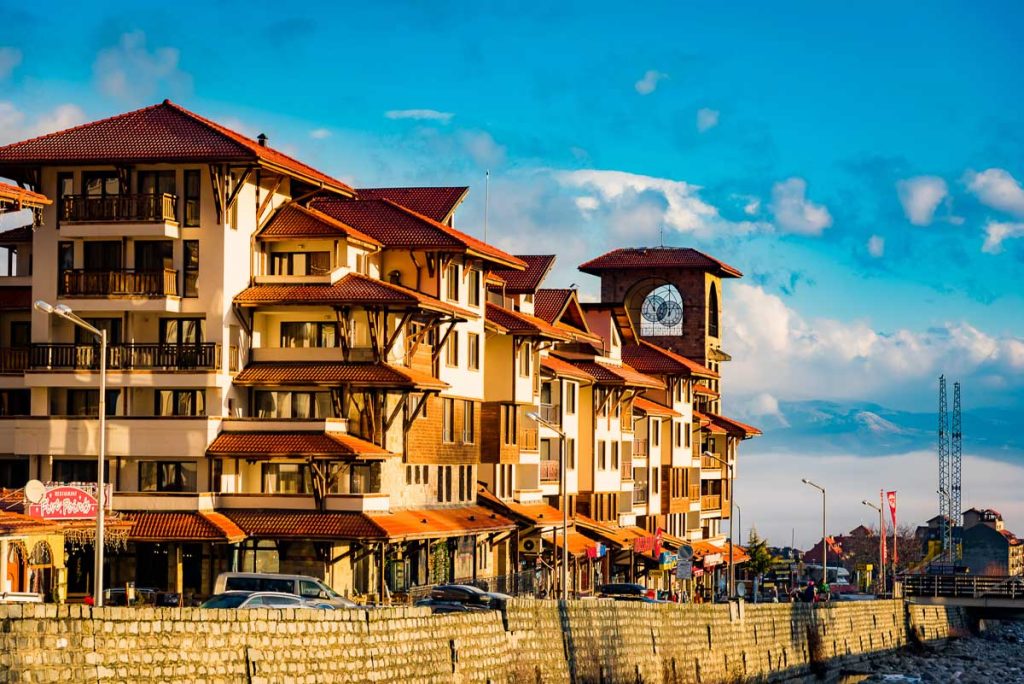
Realistic monthly budget: $1,200 to $2,000
Bansko is the strange little mountain town that keeps refusing to disappear from digital nomad conversations.
It is small. You see the same people repeatedly. Coworking spaces become actual communities rather than rooms full of strangers. Hiking dominates summer, while skiing attracts in winter.
The annual Bansko Nomad Fest has helped put it firmly on the remote worker map, but people stay outside festival season because rents can still be comparatively low and community is easy to find.
Cons: It is a small mountain town. If you need endless restaurants, shopping, major nightlife, or an international airport outside your door, you will probably get restless.
Tbilisi, Georgia

Realistic monthly budget: $1,500 to $2,300
Tbilisi earned its place in the nomad circuit through a combination of affordability, cafés, food, wine, apartments, internet, and immigration rules that historically made long stays simple for many nationalities.
The city also attracts people who want something different from Western Europe without moving all the way to Southeast Asia.
OTHER DIGITAL NOMAD BASES AROUND THE WORLD
These do not fit neatly into the Asia, Latin America, and Europe circuit, but they come up often enough among remote workers that I would not leave them out.
Cape Town, South Africa
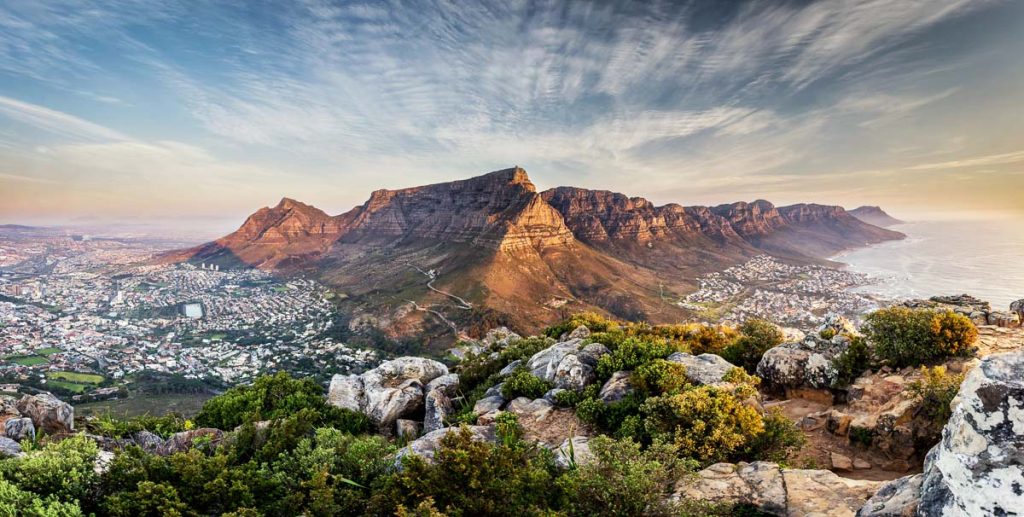
Realistic monthly budget: $2,000 to $3,200
In Cape Town, you can finish your laptop work and be hiking, surfing, drinking wine, sitting beside the ocean, or driving through mountains soon afterward.
South Africa has also introduced a remote work visa framework for qualifying foreign workers, making the country more directly relevant to people planning longer stays.
Dubai, United Arab Emirates

Realistic monthly budget: $3,000 to $5,000 plus
Dubai is here because a huge number of internationally mobile professionals pass through it.
The city is extremely easy in some ways. Internet is excellent. Services are reliable. Food delivery is everywhere. Gyms and coworking are abundant. The airport connects you to an enormous portion of the world.
Dubai also has an official virtual work residence permit. Current requirements include proof of remote employment outside the UAE and monthly income of at least $3,500.
Auckland, New Zealand

Realistic monthly budget: $3,000 to $4,500
Auckland is the New Zealand option for someone who wants a proper city base before exploring the rest of the country.
The big advantage is what happens outside Auckland. New Zealand is built for weekends that turn into road trips, hikes, beaches, and outdoor detours.
For remote workers who value English speaking daily life and familiar infrastructure, there is very little adjustment required. However, it is damn expensive.
Marrakech, Morocco
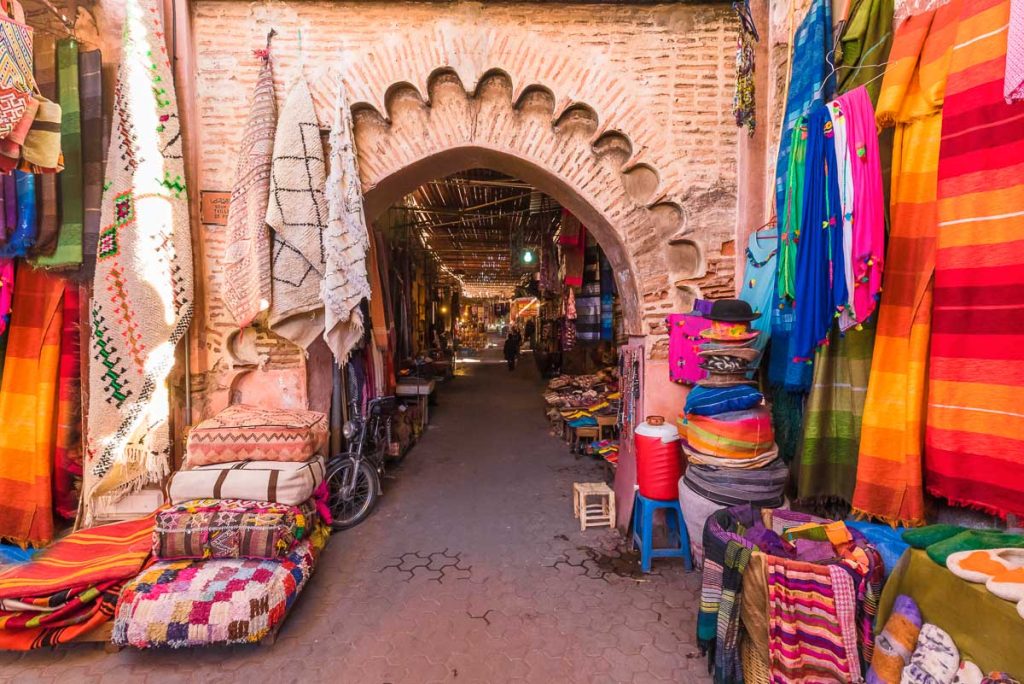
Realistic monthly budget: $1,500 to $2,400
Marrakech works particularly well as a bridge between Europe and somewhere completely different.
Flights from Europe are short. Local meals can be inexpensive. Apartments outside the most tourist focused part of the medina can be reasonable, and café and coworking options have expanded.
For daily living, I would not necessarily choose the heart of the medina. It is exciting to visit, but the noise, narrow streets, tourism, and constant movement can make it tiring as a permanent work environment.

Catherine Xu is the founder and author of Nomadicated, an adventure travel blog that helps travelers cross off their bucket list. Since discovering traveling in 2015, she has lived and journeyed to 65 countries across 5 continents and vanlifed the west coast USA for 2+ years. These days, she splits her time in Southeast Asia and California while sharing her travel stories and resources based on first-hand experiences. Catherine's other works has been referenced in major publications like MSN, Self, and TripSavvy.