
Worldschooling in Southeast Asia: A Realistic Guide
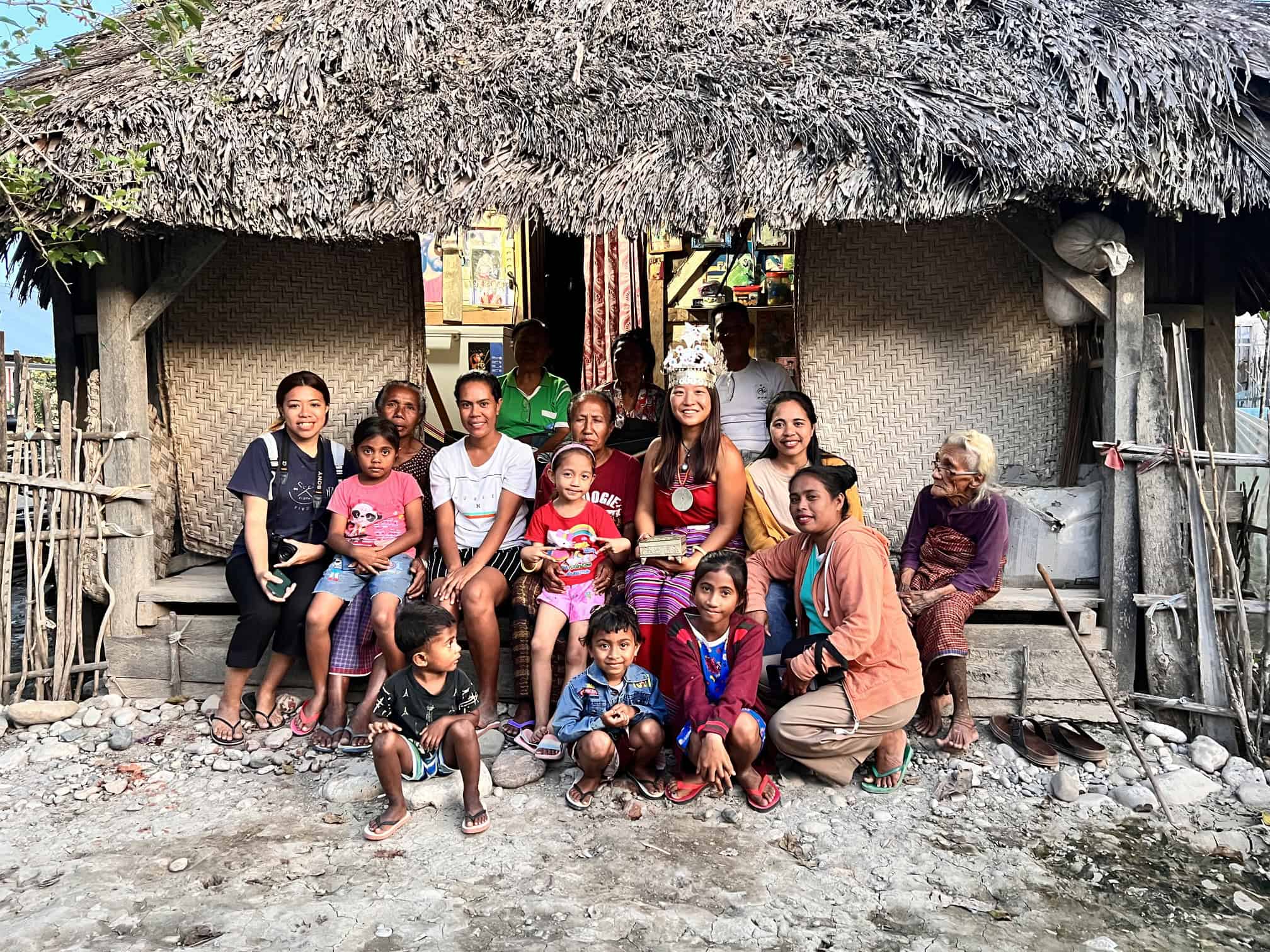
Worldschooling in Southeast Asia looks dreamy on Instagram. There is something about those pictures of kids doing math on a beach in Bali, learning geography by traveling, and visiting temples before lunch. The reality is still pretty amazing, but it is also a bit messier. It often involves visa runs, you need to hunt for reliable Wi-Fi, and trying to teach fractions in a guesthouse lobby due to moving around.
At its simplest, worldschooling means using travel and real life as part of your child’s education. You can think of it as homeschooling while traveling. However, it’s worth noting that most families who do worldschooling long-term don’t rely on travel alone. Instead, they pair the travel experiences with books, projects, online classes, or a structured learning platform, so their kids still get to learn core subjects in-depth.

Why Southeast Asia Works So Well for Worldschooling Families
So, why Southeast Asia? One big reason is the affordability. On SEA, you can stretch your dollar further than almost anywhere, and your kid can get a lot of learning for the money. You can study Buddhism in Thailand, marine life in Indonesia, colonial history in Vietnam, rainforest ecosystems in Malaysia, and food culture everywhere. The lower cost of living also leaves you with more resources for tutoring, homeschool online programs, other educational activities, or longer stays in places you like.
Practicality is another reason. In many major cities, you can find family-friendly accommodation, decent internet, co-working spaces, affordable transport, English-speaking doctors, and international communities. The weather rarely spoils the plans, too.
But there are also downsides. The heat and humidity are no joke, and they can be very draining. Wi-Fi in rural areas can stop working at the worst moment, language barriers can slow down even simple tasks, and moving around too soon can turn the learning process into chaos if you don’t manage it properly.
Best Countries in SEA to Base Your Family
When worldschooling in SEA, you don’t need to just pick one country, but having a home base for a few months beats constant motion as far as learning and routine go. Here are some of the options you may consider.
Thailand
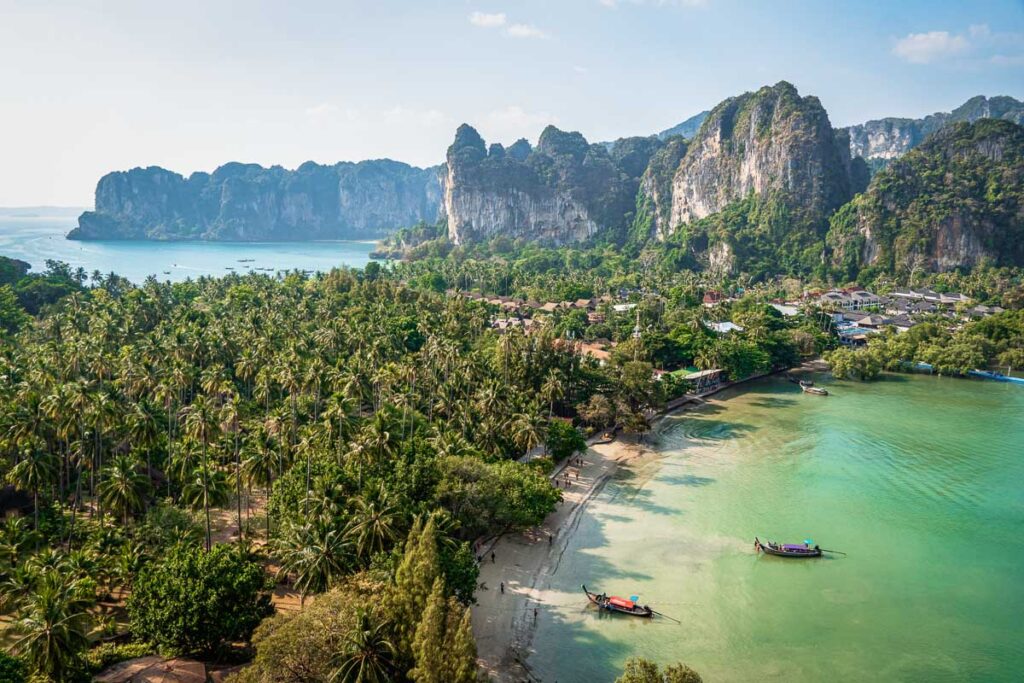
Thailand, and Chiang Mai in particular, has long been a hub for digital nomads and worldschooling families. In Chiang Mai, you can find affordable housing, good cafés, international communities, and co-learning groups. Another beloved option is Bangkok, which offers more city infrastructure, hospitals, malls, and museums, but it can also feel intense. If you are considering Thailand, comparing Bangkok vs. Chiang Mai as your home base is a good place to start.
Bali, Indonesia
Bali is another destination beloved among families roadschooling with kids. Bali attracts the creative and tech community more. You can also find many co-working and co-learning spaces, especially around Ubud and Canggu. It’s worth noting that as Bali has become a popular destination recently, the costs have risen.
Vietnam
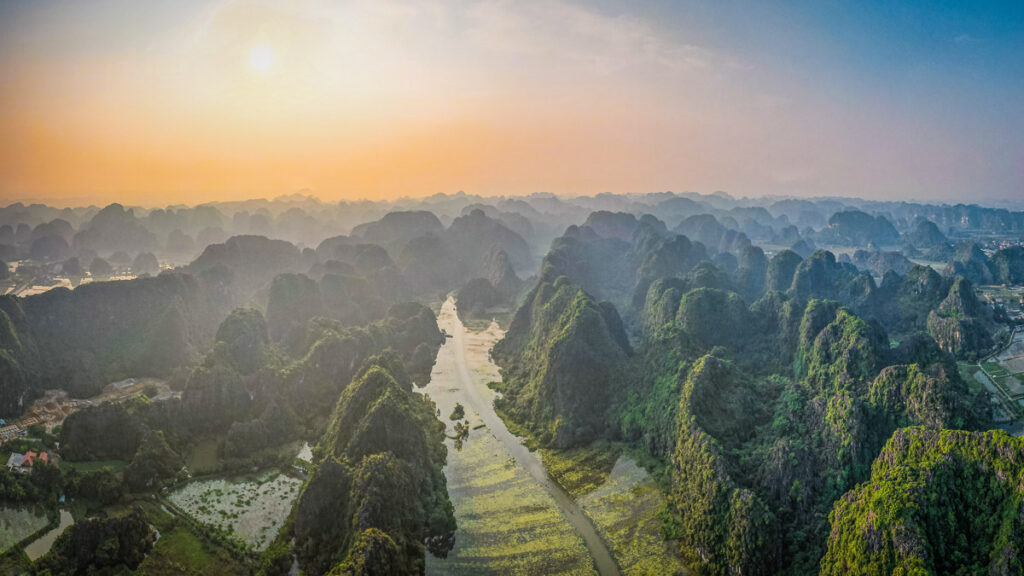
Vietnam is a great option if you are looking for affordable slow travel. In Da Nang, you can find beaches, fast internet, and rents noticeably cheaper than in Thailand, which makes it the perfect place if you are looking to stay for a few months. It’s less of an established worldschooling hub, but that’s changing fast. The downside is the traffic and the fast pace of the city, and many families need time to adjust to it.
Malaysia
Last in the list is Malaysia, a location underrated for worldschooling.
In Malaysia, you can find strong infrastructure and good healthcare, and English is widely spoken. For longer stays, you can consider Penang and Kuala Lumpur. They may not have the worldschooling scene of Bali, but the places are practical and great if you want less friction and an easier process of settling down.
Handling Curriculum and Academics on the Road
The hardest part of homeschooling while traveling is not finding things to learn. It is keeping a structure when every week looks different. And this is where worldschooling either works or falls apart.
Most worldschooling families generally fall into three categories or learning styles:
- Unschooling – child-led and interest-driven, and doesn’t have a structured learning curriculum
- Structured online curriculum – a full K-12 online learning program
- Hybrid – which is the most common choice and mixes real-world learning with a targeted academic approach
For families who want kids to stay aligned with U.S. standards, subject-specific support can make life easier. Math is the subject that tends to fall apart fastest when routines change, so access to an online math tutor for kids can help keep lessons consistent even when your location changes.

Structured vs. unschooling — finding what works for your kid
If your child is curious, self-directed, and motivated, and you have the time to turn daily life into a deeper learning experience, unschooling can work beautifully. You can teach them fractions when cooking, history when visiting a temple, and a boat trip can be marine science.
But if your kid needs predictability, is re-entering school later, or has grade-level requirements they need to meet, structured learning may be the better choice. It can also reduce the stress for you as you won’t need to invent a curriculum from scratch.
Tools and platforms worldschooling families actually use
You don’t have to do everything alone. There are many tools and learning resources you can use to make the learning process easier. You can lean on online tutors, an online school for traveling families, learning and practice apps, to make sure your kid is learning what they need to know for their age, and be prepared in case you ever want to re-enter the traditional learning system.
The Real Costs of Worldschooling in Southeast Asia
While affordable, worldschooling in SAE still comes with costs. The highest costs you’ll face are usually:
- accomodation
- flights and regional transport
- food
- visas
- travel insurance
- healthcare
- activities
- online learning tools
- tutoring or classes
- co-working or childcare
Accommodation is what makes the biggest difference in the price tag. If you settle for a longer-term and find an apartment in a less trendy area, it will be more affordable. On the other hand, moving every few days and staying in tourist hotspots can quickly add up.
Education costs vary as well, depending on the learning methods you choose. Some families use free resources and parent-led learning, while others pay for online school, tutoring, language classes, music classes, sports, and more.
Overall, if you are careful, you might spend $2500–$4000 per month, depending on the location. This price doesn’t include long-haul flights or occasional costly splurges.
Challenges Nobody Talks About (And How to Handle Them)
Worldschooling and travelling around come with challenges. And the biggest one is not finding beautiful places, but building a life for your child that they can function in.
The first challenge is socialization. Children need friends. If you are moving around relatively often, this can get tricky. Your child may meet amazing friends and then say goodbye two weeks later. Worldschooling hubs help, but you still need to be intentional about meetups, classes, playgrounds, co-living spaces, and repeated contact with other kids.
The second challenge is consistency. Travel days, illness, visa runs, and other daily situations can affect the school schedule you have in place. You need to build buffer days into your schooling plan or be more flexible about it whenever there is a need. Do not schedule five hours of online lessons the morning after an overnight train.
Third, re-entry matters too. If you think there is even a small chance your kid will one day re-enter the traditional education system, you need to keep a detailed record of their learning journey and try to stay roughly on the right grade level to ease the transition.
And lastly, don’t forget about yourself. During worldschooling, you are your kid’s teacher, caretaker, and travel agent. Make sure you get enough downtime yourself.
Conclusion
You don’t need to be impossibly organized or very rich to worldschool in SEA. If you are intentional with your planning, stay flexible, consider your budget and your schedule carefully, and invest in the right learning tool, it’s possible. It won’t be perfect at first, but traveling ain SEA and learning along the way can be one of the most rewarding experiences for you and your child.
Catherine Xu is the founder and author of Nomadicated, an adventure travel blog that helps travelers cross off their bucket list. Since discovering traveling in 2015, she has lived and journeyed to 65 countries across 5 continents and vanlifed the west coast USA for 2+ years. These days, she splits her time in Southeast Asia and California while sharing her travel stories and resources based on first-hand experiences. Catherine's other works has been referenced in major publications like MSN, Self, and TripSavvy.