
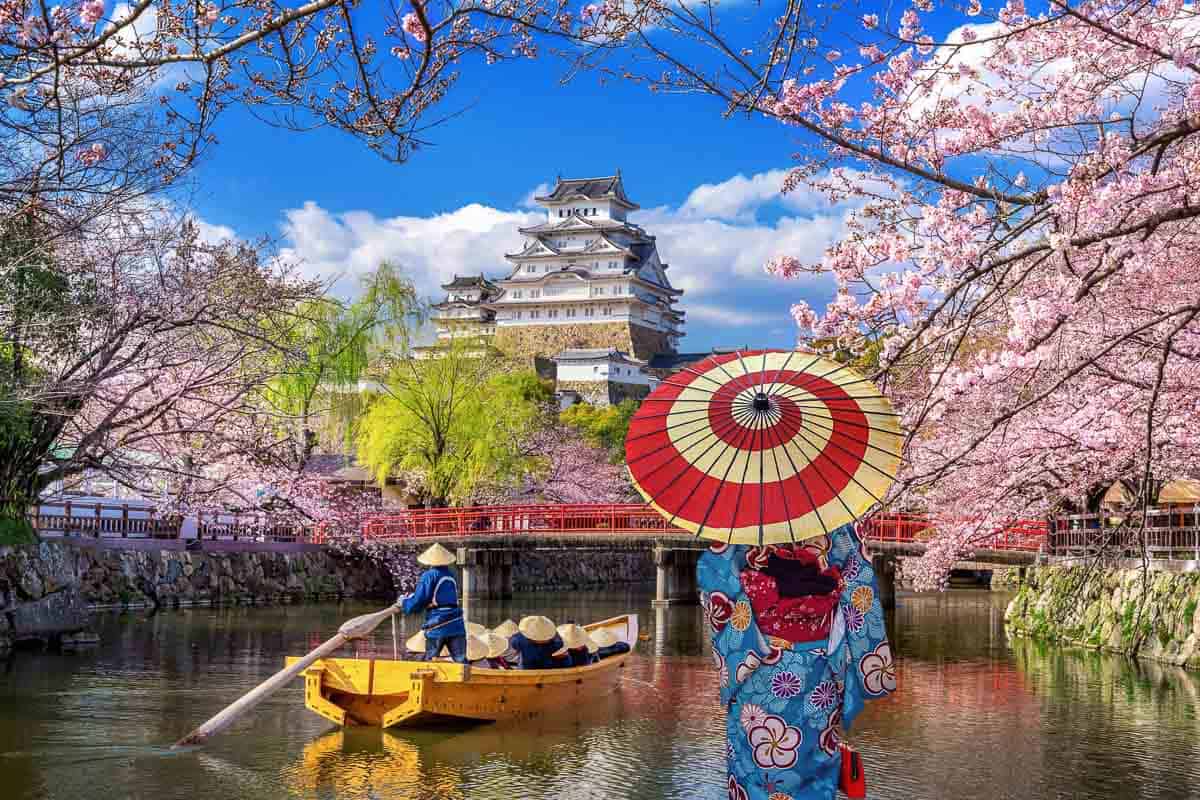
20 Traditional Japanese Food Classics That Go Beyond Sushi
Japan’s food story goes back thousands of years, shaped by religion and a strong respect for ingredients. Rice farming set the foundation early, while seafood became central thanks to the island geography. Over time, outside influences from China and later the West blended in.
Traditional Japanese food brings to mind clean presentation, careful preparation, and meals that often look simple but take years to master. There is also that common stereotype that everything is ultra precise and almost ritualistic, from sushi counters to tea service.
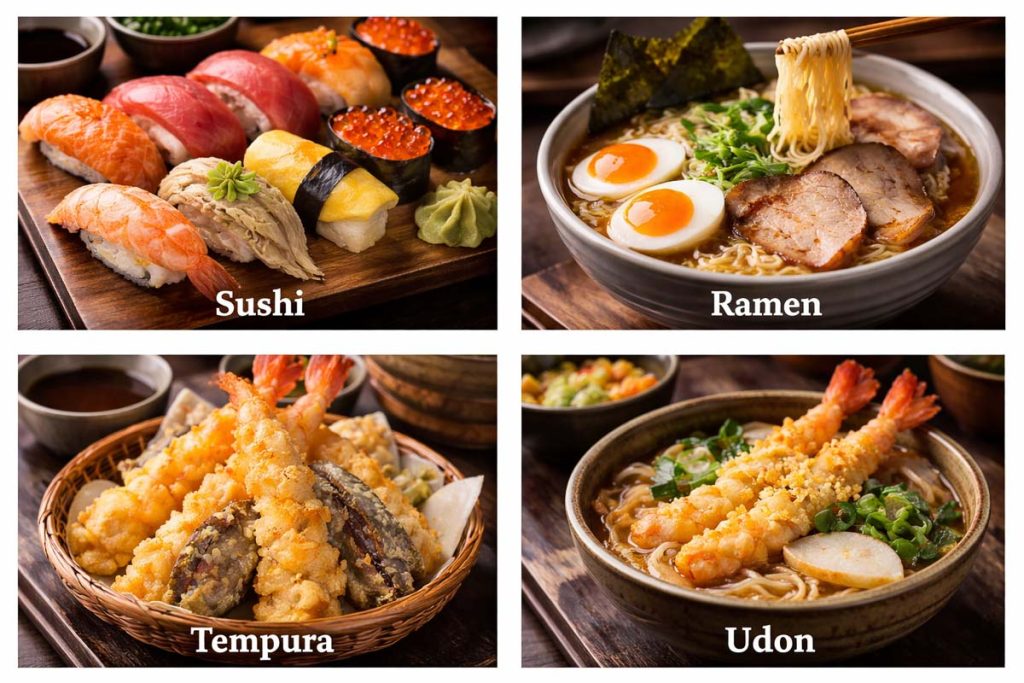
1. Sushi
- Type: vinegared rice with raw or cooked seafood
- Where to find: nationwide, strongest presence in Tokyo and coastal cities
Sushi started as a preservation method centuries ago and turned into Japan’s most recognized dish. Edo style sushi from Tokyo set the modern standard with fresh fish laid over hand pressed rice. The balance matters more than flash, with chefs training for years just to perfect rice texture. You will see everything from high end counters to quick conveyor belt spots packed with locals.
2. Ramen
- Type: noodle soup with broth, meat, and toppings
- Where to find: nationwide, famous in Fukuoka, Sapporo, and Tokyo
Ramen took inspiration from Chinese noodles and grew into a full blown obsession across Japan. Each region built its own version, from rich pork broth in Fukuoka to miso based bowls in Sapporo. Shops often specialize in just one style and spend decades refining it. Slurping loudly is normal and expected.
3. Tempura
- Type: lightly battered and deep fried seafood and vegetables
- Where to find: nationwide, especially Tokyo
Tempura came from Portuguese traders in the 1500s and Japan made it its own. The batter stays thin so the natural flavor of shrimp or vegetables still comes through. Skilled chefs control oil temperature with precision to keep everything crisp and light. It is often served with dipping sauce or over rice as a full meal.
4. Udon
- Type: thick wheat noodles in broth
- Where to find: nationwide, famous in Kagawa
Udon noodles are known for their soft texture and simple presentation. Kagawa is so serious about udon that it is nicknamed “Udon Prefecture.” The broth is usually mild, letting the noodles take center stage. Locals often customize bowls with tempura, green onions, or raw egg.
5. Soba
- Type: thin buckwheat noodles
- Where to find: nationwide, especially Nagano
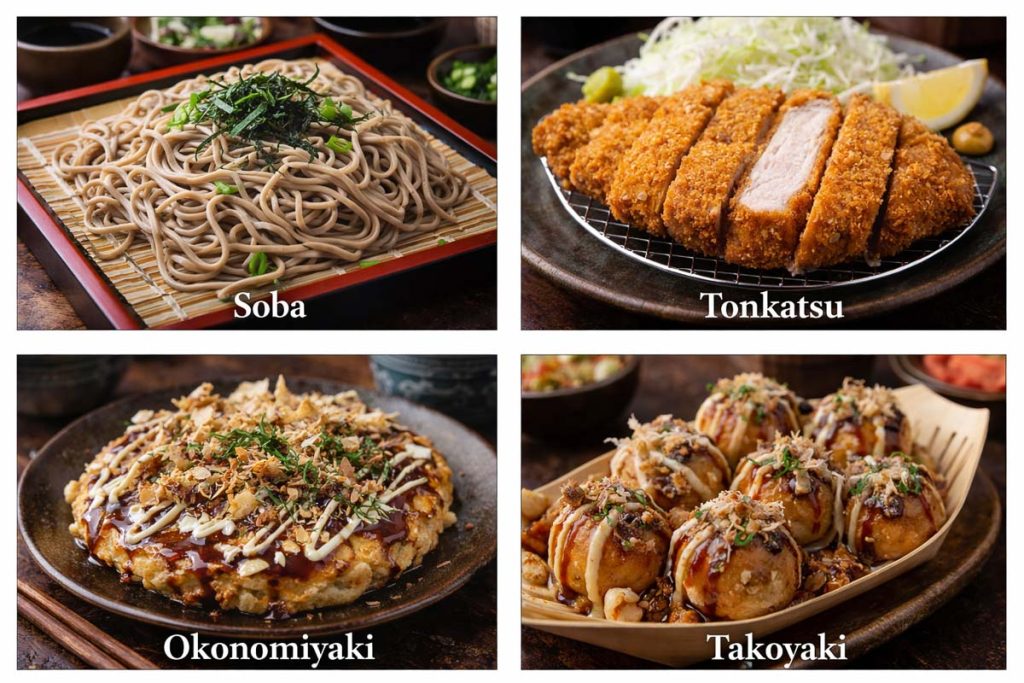
Soba has a long history tied to rural mountain areas where buckwheat grows well. The noodles have a slightly nutty taste and are served hot or cold depending on the season. Cold soba dipped in sauce is a summer staple. Many places still make noodles by hand daily.
6. Tonkatsu
- Type: breaded and deep fried pork cutlet
- Where to find: nationwide
Tonkatsu showed up in the late 1800s as Japan began adopting Western style cooking. The pork is coated in panko crumbs that create a crisp outer layer. It is usually served with shredded cabbage and a thick sweet sauce. Some restaurants focus only on tonkatsu and age their pork for better flavor.
7. Okonomiyaki
- Type: savory cabbage pancake
- Where to find: Osaka and Hiroshima
Okonomiyaki has been flipping on hot griddles since the postwar era, when simple ingredients had to stretch far. In Osaka, everything gets mixed into one batter, while Hiroshima stacks layers with noodles tucked inside. The name loosely means “cook what you like,” which explains why toppings range from pork belly to seafood. A drizzle of sweet sauce and a dusting of bonito flakes finish it off, and those flakes move from the heat in a way that always grabs attention.
8. Takoyaki
- Type: octopus-filled batter balls
- Where to find: Osaka street stalls
Takoyaki was born in Osaka in the 1930s and quickly became a street food staple. Vendors pour batter into round molds and drop in chunks of octopus, then rotate each piece with impressive speed. The outside crisps up while the inside stays soft and hot. A topping of sauce, mayo, and bonito flakes gives it that familiar finish seen across festival stalls.
9. Miso Soup
- Type: fermented soybean broth
- Where to find: nationwide
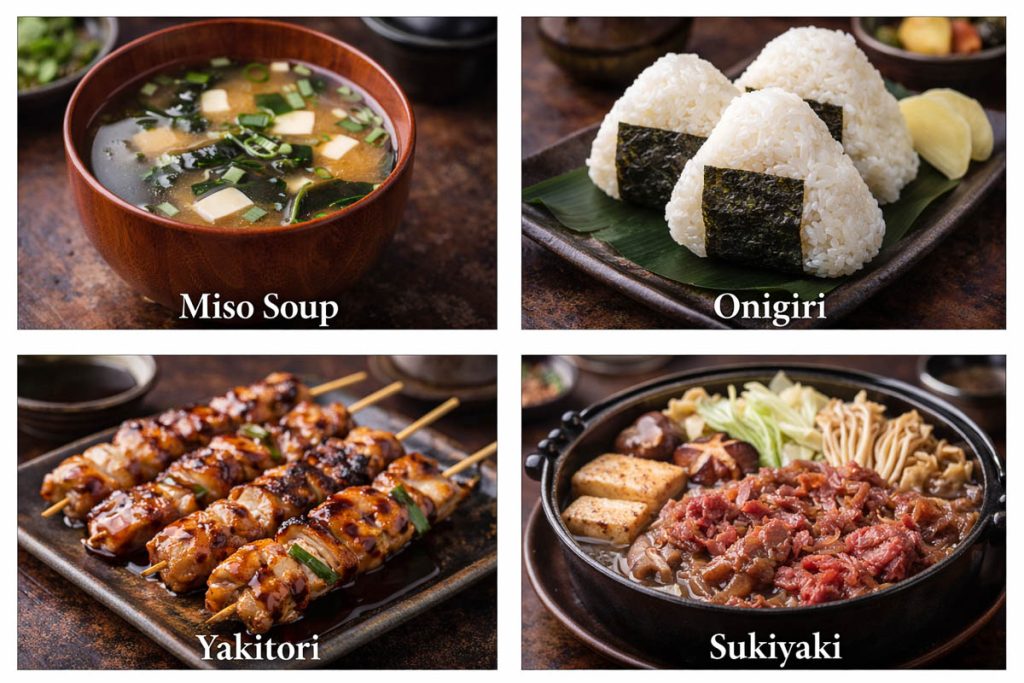
Miso soup shows up at nearly every Japanese meal, from breakfast to late dinners. Its base comes from fermented soybean paste, which has been part of Japanese cooking for over a thousand years. Ingredients change with the season, so one bowl might have tofu and seaweed while another leans on clams or root vegetables. It stays simple, but the depth comes from the fermentation process that defines its flavor.
10. Onigiri
- Type: rice balls with fillings
- Where to find: nationwide, especially convenience stores
Onigiri dates back to at least the Heian period, when rice was shaped for easy travel. Each triangle or round is wrapped in seaweed and filled with things like salted salmon or pickled plum. It became a daily staple thanks to its portability and low cost. Today, convenience stores across Japan sell dozens of variations, making it one of the most accessible foods in the country.
11. Yakitori
- Type: grilled chicken skewers
- Where to find: nationwide, especially izakayas
Yakitori focuses on chicken, but it uses nearly every part of the bird. Skewers cook over charcoal, giving a smoky flavor that defines the dish. Some are seasoned with salt, others with a soy based glaze. It gained popularity in postwar Japan as a casual food to pair with drinks, and it still fills menus at small bars across the country.
12. Sukiyaki
- Type: sweet soy braised beef hot pot
- Where to find: Kanto region and Kansai region
Sukiyaki became widely known during the Meiji era when beef entered the Japanese diet more openly. Thin slices of beef cook in a shallow pot with soy sauce, sugar, and mirin. Vegetables and tofu soak up the broth as everything simmers together. In some regions, diners dip the cooked meat into raw egg before eating.
13. Shabu Shabu
- Type: thinly sliced meat hot pot
- Where to find: nationwide, popular in Osaka
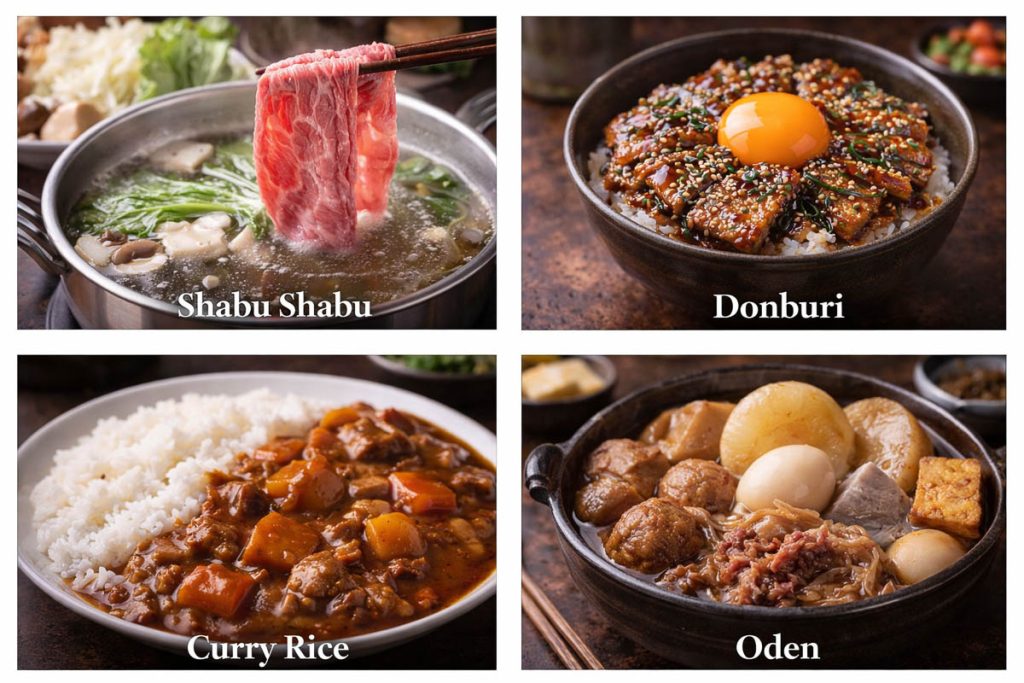
Shabu shabu gets its name from the swishing sound of meat moving through boiling broth. It became popular in Osaka in the mid 20th century and spread fast across the country. Diners cook slices of beef themselves in seconds, then dip them into sesame or citrus-based sauces. The meal usually ends with noodles or rice cooked in the leftover broth.
14. Donburi
- Type: rice bowl topped with meat, seafood, or vegetables
- Where to find: nationwide
Donburi is built for speed and comfort, combining rice with toppings like beef, tempura, or raw fish. It grew alongside busy urban life, especially in Tokyo where quick meals were essential. Each variation has its own identity, from gyudon with simmered beef to katsudon with fried pork and egg. It shows up everywhere from convenience chains to specialty shops.
15. Curry Rice
- Type: thick Japanese-style curry with rice
- Where to find: nationwide
Japanese curry came through British influence during the late 1800s and evolved into a thicker, sweeter version than its Indian origins. It became a staple in homes, schools, and even the military. The sauce is usually made with roux blocks that simplify cooking. Toppings range from pork cutlets to vegetables, making it flexible and widely loved.
16. Oden
- Type: simmered assortment of fish cakes, tofu, and vegetables
- Where to find: nationwide, especially in winter
Oden is a cold-weather favorite that simmers slowly in a soy-based broth. Ingredients like daikon radish and boiled eggs soak up flavor over hours. It became common in street stalls and convenience stores, where it stays warm and ready to serve.
17. Unagi
- Type: grilled freshwater eel with sweet soy glaze
- Where to find: nationwide, famous in Shizuoka
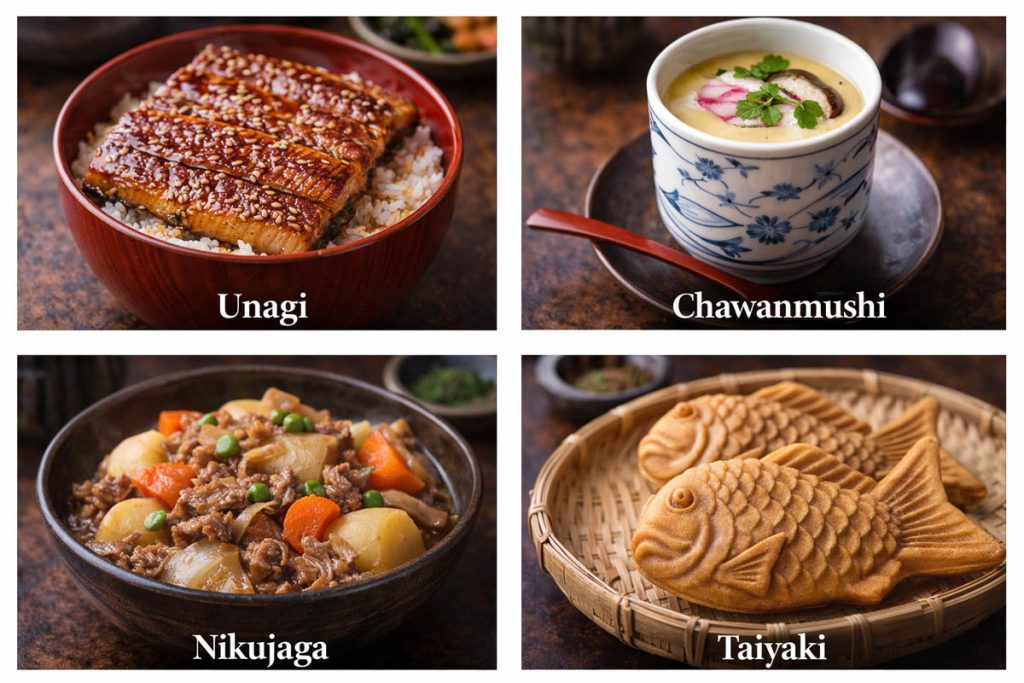
Unagi has been eaten in Japan for centuries and is often tied to summer for its energy-boosting reputation. The eel is grilled, steamed, then grilled again while brushed with a thick sauce. It is usually served over rice in lacquered boxes. Preparing it properly takes years of training, especially the delicate butchering process.
18. Chawanmushi
- Type: savory egg custard with seafood and vegetables
- Where to find: nationwide
Chawanmushi stands out since it is eaten with a spoon instead of chopsticks. The custard is steamed gently to keep its smooth texture, often hiding ingredients like shrimp, chicken, and mushrooms inside. It dates back to the Edo period and is still common in traditional multi-course meals. The flavor is light but layered with broth.
19. Nikujaga
- Type: braised beef and potatoes
- Where to find: nationwide
Nikujaga reflects Japan’s adaptation of Western-style stews during the Meiji era. It was inspired by British naval dishes but adjusted with soy sauce and sugar. The result is a sweet and savory dish that became a household staple. It is often seen as comfort food and closely tied to home cooking rather than restaurants.
20. Taiyaki
- Type: fish-shaped pastry filled with sweet bean paste
- Where to find: nationwide, common at street stalls
Taiyaki first appeared in Tokyo in the early 1900s and quickly became a festival favorite. The fish shape represents good luck, modeled after sea bream. Traditional fillings use red bean paste, though custard and chocolate are now common. It is cooked in cast iron molds that give it a crisp outside and soft center.

Catherine Xu is the founder and author of Nomadicated, an adventure travel blog that helps travelers cross off their bucket list. Since discovering traveling in 2015, she has lived and journeyed to 65 countries across 5 continents and vanlifed the west coast USA for 2+ years. These days, she splits her time in Southeast Asia and California while sharing her travel stories and resources based on first-hand experiences. Catherine's other works has been referenced in major publications like MSN, Self, and TripSavvy.