
5 Once-In-A-Lifetime Trips To Tick Off Your Bucket List
Some journeys demand a complete shift in how you travel. They take you beyond familiar sightseeing routes and into places shaped by difficult terrain, unpredictable conditions, and wildlife that cannot be experienced from behind a resort window.
The five trips below are built around encounters that justify the distance and preparation required to reach them. Whether the challenge involves exposure, isolation, rough water, or days far from reliable roads, each destination asks you to engage with the landscape instead of simply admiring it.
Sailing Past Karst Islands and Reefs in Raja Ampat, Indonesia
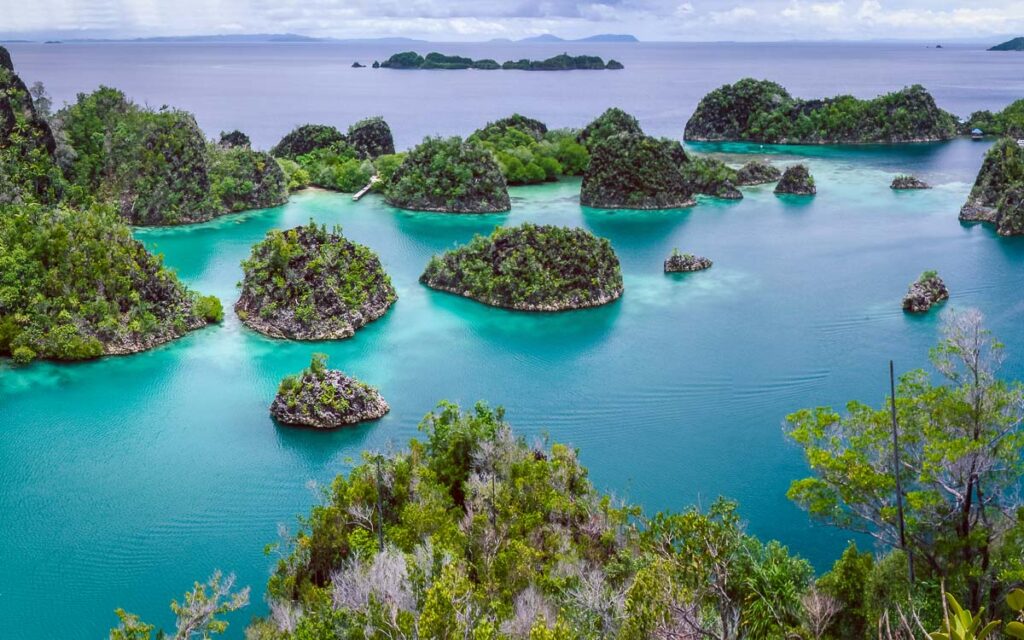
Raja Ampat spreads across a vast section of sea off western New Guinea, with jungle-covered limestone islands rising above channels, lagoons, and coral reefs. It is one of the world’s richest regions for marine biodiversity, and dives in areas such as the Dampier Strait may bring encounters with manta rays, reef sharks, turtles, and dense schools of fish. Strong currents make some sites suitable only for experienced divers, so conditions and certification requirements should be discussed with a reputable operator.
Booking a Raja Ampat yacht charter makes it possible to travel between distant dive sites and island groups without returning to the same land base each night, although liveaboards are not the only way to explore the region. Days can include climbing the steps to the Piaynemo viewpoint, snorkeling over coral gardens, and diving along walls where fish gather in the current. Marine park requirements, weather, and journey times from Sorong should be confirmed before departure, as Raja Ampat’s isolation is part of the challenge.
Riding Horses Across the Steppe and Gobi Dunes in Mongolia
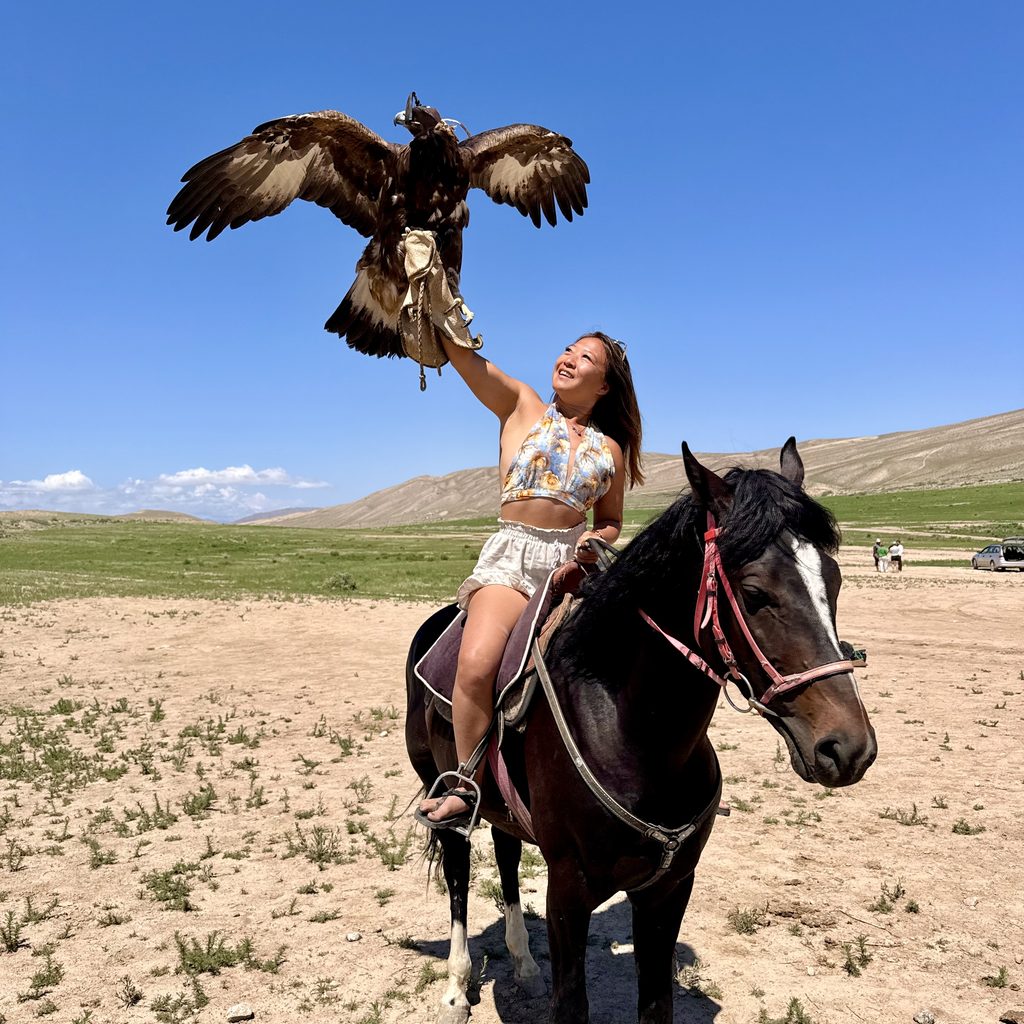
Horseback travel across Mongolia’s grasslands means long hours on compact, sure-footed horses accustomed to uneven ground. Routes through areas such as the Orkhon Valley pass open pasture, river crossings, and seasonal herding camps, where families continue a mobile way of life while also using modern vehicles and communications. Riders need enough balance and stamina for consecutive days of adventure in the saddle, particularly when distances between settlements are substantial.
Farther south, reaching the Gobi requires a long overland journey from the central steppe. Khongoryn Els extends for approximately 185 kilometers, with some dunes rising as high as 195 meters. Climbing the loose sand is a demanding workout, and under suitable conditions, grains sliding down the slope produce the low sound that gives the “Singing Dunes” their name. Nights in ger camps bring sharp temperature changes and wide, dark skies, while mobile coverage becomes unreliable outside settlements.
Watching Icebergs Calve Beside Penguin Colonies in Antarctica
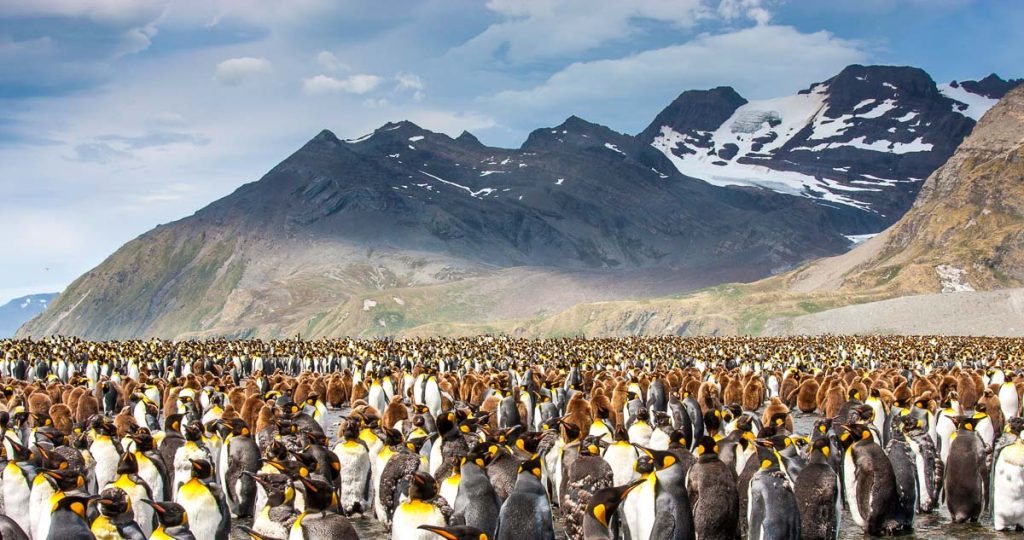
Crossing the Drake Passage is the first test, with conditions ranging from calm water to heavy swells before the Antarctic Peninsula appears ahead. Along the coast, glaciers descend toward the sea, and the crack of calving ice can cut through the surrounding silence. Gentoo and chinstrap penguins gather at particular landing sites, while seals and whales may appear from the ship or Zodiac. Wildlife encounters depend on the route, season, and conditions, and visitors must keep the required distance from every animal.
When researching an Antarctica cruise, check the ship’s passenger capacity and whether the voyage includes planned shore landings. Vessels carrying more than 500 passengers cannot land visitors in Antarctica, while no more than 100 passengers from a vessel may normally be ashore at one site at a time. Even on an expedition ship, weather, sea ice, and wildlife activity can force a landing to change or be canceled. In Antarctica, the expedition follows the conditions, not a fixed schedule.
Climbing Red Dunes Above a Fog-Wrapped Coast in Namibia
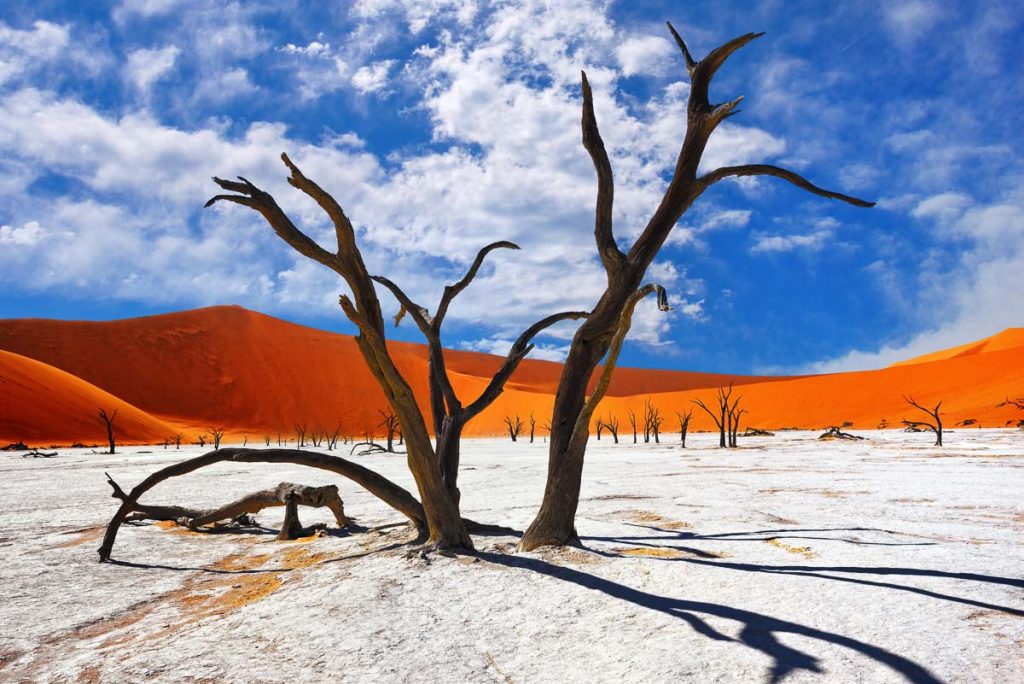
Big Daddy rises above the salt-and-clay pans of Sossusvlei, and climbing its loose sand requires a sustained push along a narrow ridge. An early start avoids the worst heat, but every step still slips backward as the dune steepens. From the crest, the descent drops toward Deadvlei, where dark camel thorn trees stand against a white clay pan surrounded by orange dunes. Carrying enough water and protecting yourself from the sun are essential, even on a morning climb.
The Skeleton Coast lies much farther north and requires a separate overland journey or flight. Here, fog from the cold Benguela Current drifts across gravel plains and beaches scattered with shipwreck remains, bones, and other debris. Connecting the two regions turns the trip into a major desert expedition, with long driving distances, limited services, and restricted areas requiring careful route planning and permits.
Trekking Granite Spires and Glacial Lakes in Patagonia, Chile
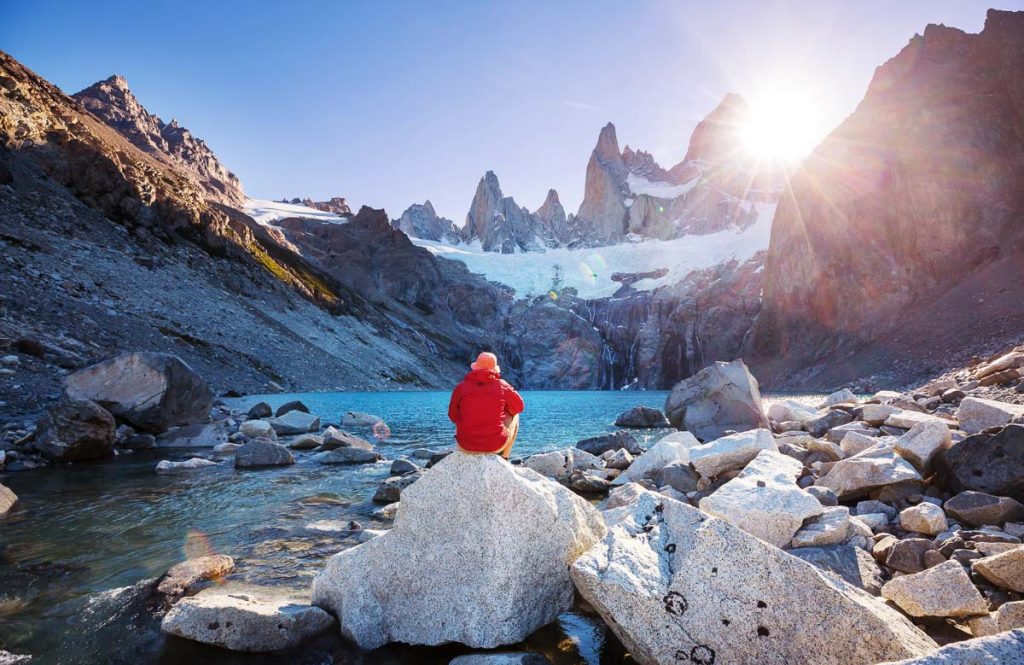
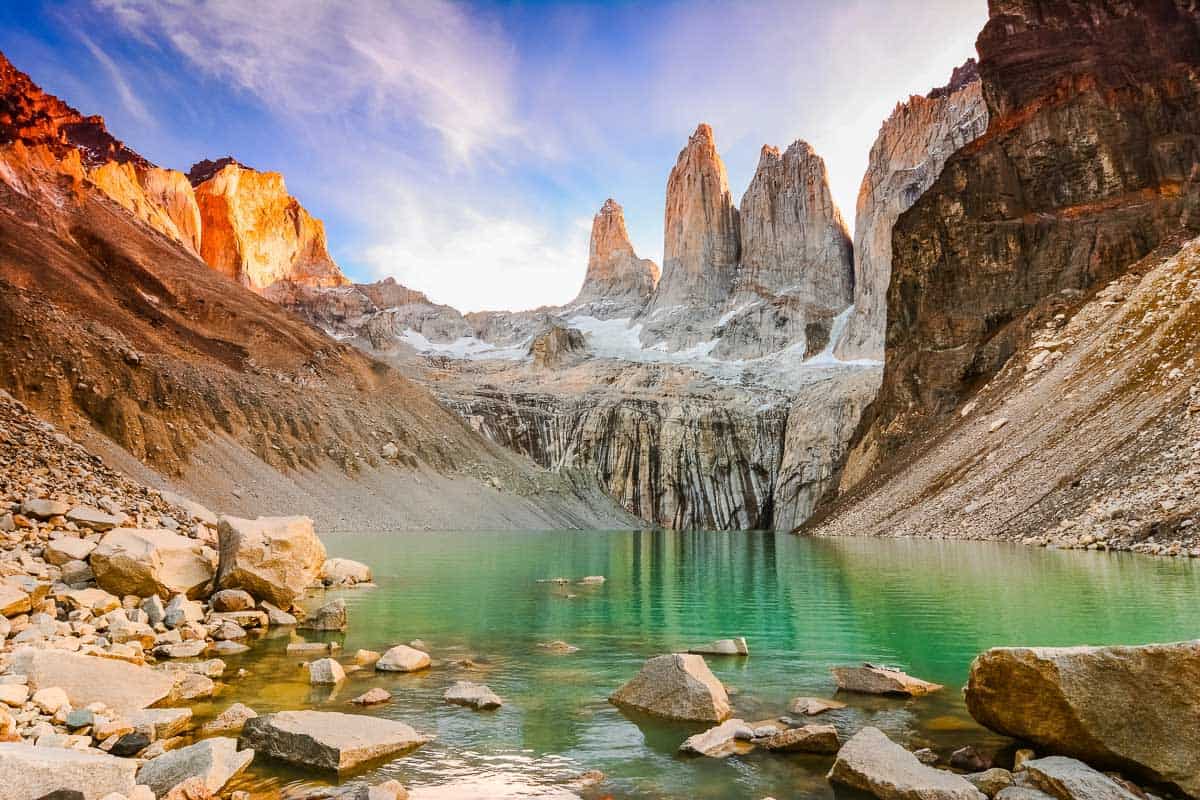
The O Circuit loops around the Paine massif through exposed valleys, forest, moraine, and mountain passes. Its hardest section climbs toward John Gardner Pass, where strong winds and poor visibility can stop hikers before the crossing. From the western side of the route, the trail descends above Grey Glacier, a river of fractured ice flowing from the Southern Patagonian Ice Field. Elsewhere, rock flour suspended in glacial meltwater gives lakes Pehoé and Nordenskjöld their opaque blue-green color.
Weather in Torres del Paine can shift from clear sun to heavy rain or sleet within hours, making windproof layers and reliable waterproof gear essential. The full circuit requires sustained fitness, advance accommodation or campsite reservations, and enough flexibility to respond when park authorities close an exposed section. This is not a trek for ignoring the forecast: turning back when conditions worsen is part of traveling responsibly in Patagonia.
Which trip tops your bucket list?
The answer depends on where you want the challenge to come from. Raja Ampat puts it beneath the surface, with strong currents and distant dive sites. Mongolia tests stamina through consecutive days in the saddle, Antarctica adds rough seas and an itinerary controlled by ice, and Namibia brings steep dunes and long desert crossings. In Patagonia, the difficulty lies in carrying what you need through exposed terrain while the weather changes around you.
Choose according to your experience, not simply the most dramatic photograph. Check the required skills, seasonal conditions, permits, and emergency arrangements before committing. Preparation does not make the adventure less daring; it gives you the best chance of completing it safely and experiencing the bucket list landscapes you traveled so far to reach.

Catherine Xu is the founder and author of Nomadicated, an adventure travel blog that helps travelers cross off their bucket list. Since discovering traveling in 2015, she has lived and journeyed to 65 countries across 5 continents and vanlifed the west coast USA for 2+ years. These days, she splits her time in Southeast Asia and California while sharing her travel stories and resources based on first-hand experiences. Catherine's other works has been referenced in major publications like MSN, Self, and TripSavvy.