

5 Unique Ways to See the World From Horseback, Kayaks and the Sky
Different modes of travel can reveal whole new sides to landscapes that wouldn’t be spotted otherwise. Ships reveal coastlines inch by inch, hot air balloons look down upon the ground below, and a bicycle makes every gradient change impossible to ignore. Horses can follow rough tracks across open country, while kayaks enter shallow channels that larger vessels cannot reach.
The five journeys below are built around routes where the mode of travel is central to the experience. Each one changes the traveler’s position, pace, or line of sight, revealing details that might disappear from a road or viewing platform.
Sailing Past King Penguin Colonies in South Georgia
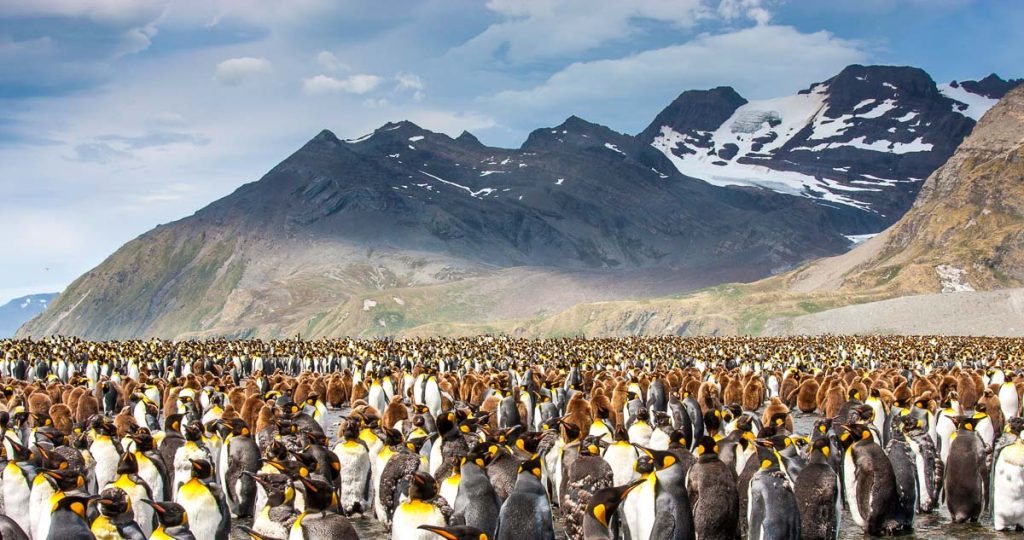
South Georgia has no airport, and so every visit begins with a sea crossing through the storm-prone South Atlantic. As the ship draws closer to the island, glaciers, steep mountain slopes, and seabird-heavy cliffs come into view from the water. At St Andrews Bay, a Zodiac landing can place visitors near South Georgia’s largest king penguin colony, where birds spread across the glacial outwash plain. Elephant seals and Antarctic fur seals also inhabit the coastline, with their numbers and behaviors changing with the seasons.
For those researching a South Georgia expedition cruise, the first point to confirm is whether the vessel plans Zodiac landings and carries an experienced expedition team. There is no visitor accommodation ashore, and all visitors require an entry permit. Landings are heavily dependent on sea conditions, weather, wildlife activity, and site restrictions, so reaching St Andrews Bay is never guaranteed. When access is possible, visitors must remain at least 10 meters from the edge of the king penguin colony and adhere to the expedition team’s orders to remain safe and vigilant.
Floating Over Fairy Chimneys and Rock Valleys in Cappadocia, Türkiye
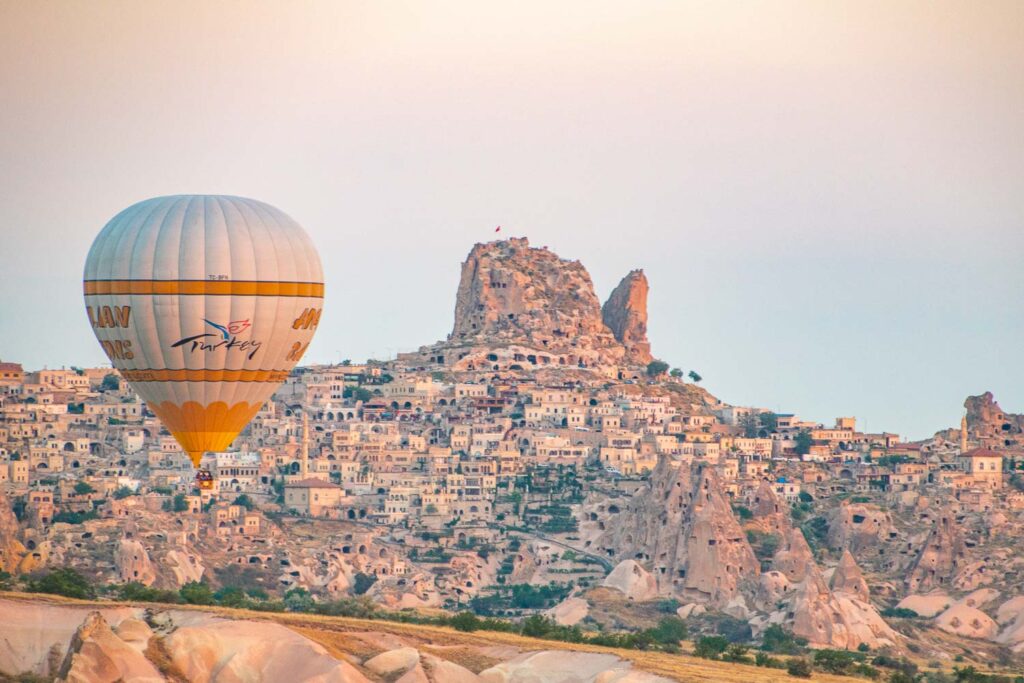
Cappadocia’s valleys were formed from layers of volcanic material later shaped by erosion, resulting in ridges, canyons, and capped rock formations known as “fairy chimneys”. From a hot air balloon, their relationship becomes much easier to observe and appreciate. Vineyard plots occupy flatter ground, paths thread between the valleys, and cave dwellings and rock-cut churches appear within the pale tuff. Changing altitude alters the view, moving the basket from close passes above the formations to a wider perspective across the plateau.
A balloon has no fixed route because it travels with the wind, while the pilot controls altitude to find different air currents. The launch site, flight path, and landing field therefore change from one morning to the next, so no trip can promise a direct passage over Göreme or a landing in Red Valley. Flights also depend on safe weather, making it best practice to allow for more than one morning in Cappadocia.
Cycling Clifftop Paths and Sheltered Coves in Gower, Wales
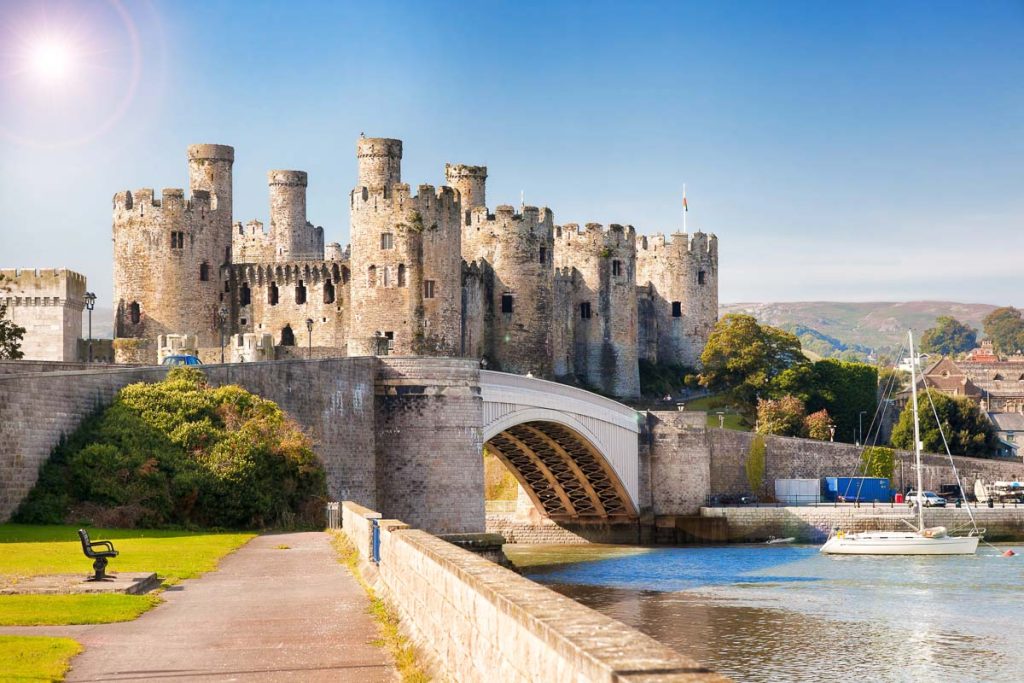
A cycling route across the Gower Peninsula links the salt marshes and quieter roads of North Gower with the exposed western coast around Rhossili. The landscape can change in the blink of an eye. Tidal flats near Llanrhidian give way to rolling farmland, steeper lanes, and Atlantic headwinds. At Rhossili, cyclists can leave their bikes and continue on foot to the clifftop viewpoints above the bay. The remains of the Helvetia lie on the beach below, and although shifting sand and tides determine how much of the wreck is visible, the spectacle is one worth seeking out.
Anyone keen to cycle the Wales Coastal Path should know that much of it follows public footpaths where cycling is not permitted. The official path identifies only selected bike-friendly sections, so a legal Gower route needs to use public roads, designated cycleways, and bridleways before joining coastal sections on foot. Checking gradients, traffic levels, and access rights in advance prevents a clifftop ride from turning into a string of locked gates and saves visitors from carrying their bicycles for long periods.
Riding Horseback Through Eagle Hunter Country in Bayan-Ölgii, Mongolia
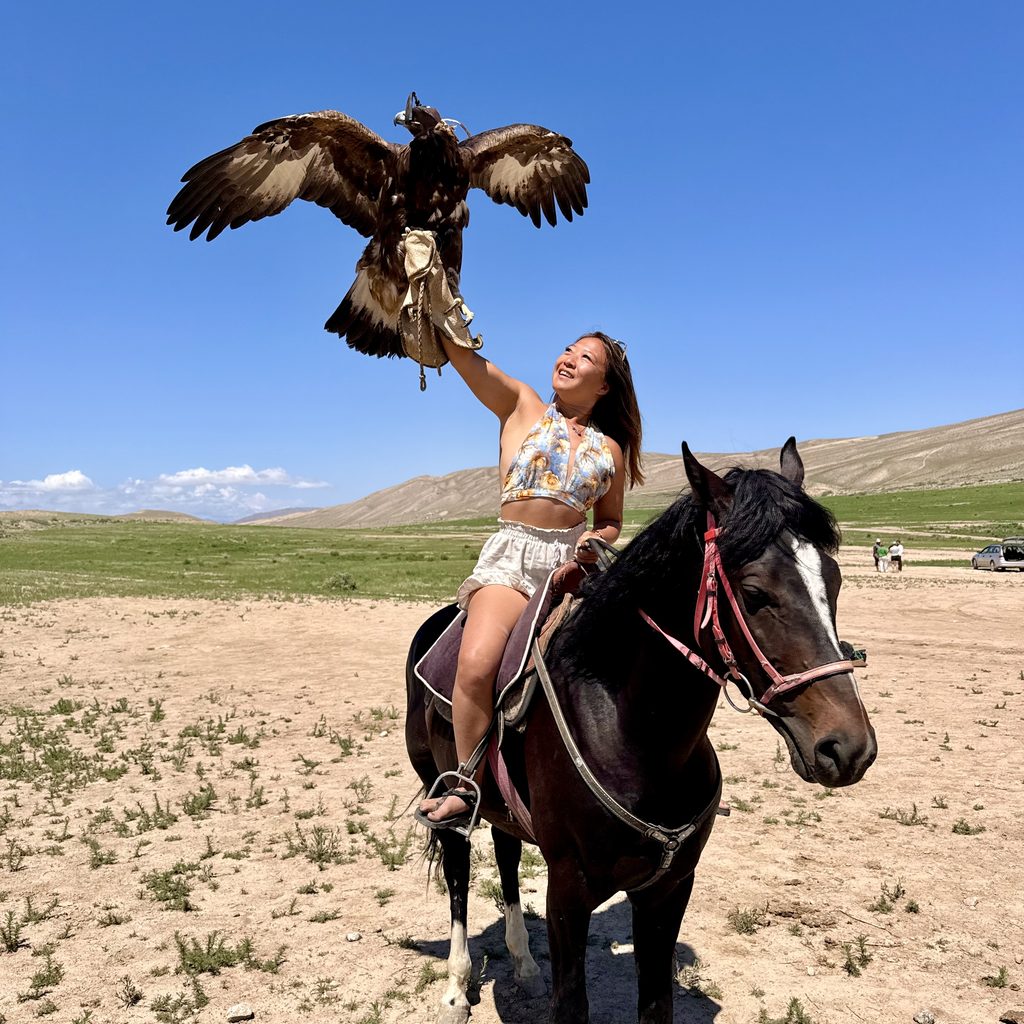
West of Ölgii, Mongolia, horseback routes enter the valleys and high plateaus of Altai Tavan Bogd National Park. Horses can follow narrow tracks across shale slopes, alpine meadows, and river crossings that prohibit larger vehicles. Multi-day rides require balance and stamina, with nights spent in tents or ger camps as temperatures fall sharply after sunset. Snow-covered peaks and glaciers remain visible from sections of the route, while the slower pace makes the distances across western Mongolia impossible to ignore.
Bayan-Ölgii is also the center of Mongolia’s Kazakh eagle-hunting tradition. Hunters ride with trained golden eagles during the colder hunting season, while autumn festivals feature horsemanship and tests of the partnership between hunter and bird. A summer horse trek does not guarantee a hunting demonstration, so any visit to an eagle-hunter family should be arranged in advance through a local guide and approached as a respectful cultural exchange.
Paddling Between Limestone Cliffs and Sea Caves in Palawan, Philippines
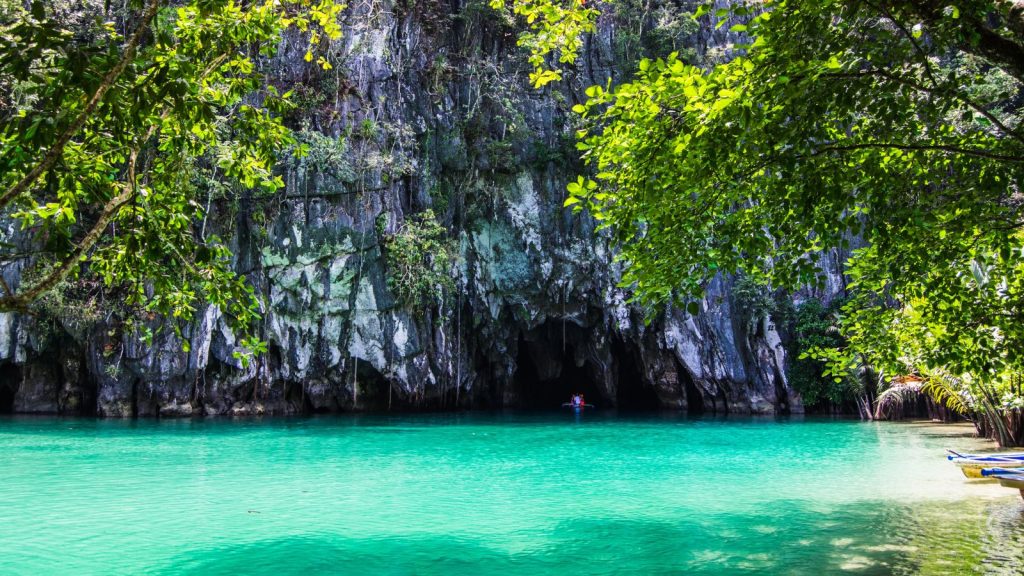
At El Nido’s Big Lagoon, tour boats stop outside the narrowest water while kayaks continue through a shallow channel between limestone walls. From water level, paddlers can see undercut rock, vegetation clinging to the cliffs, and coral patches beneath the surface when visibility is clear. Other designated routes reach Cadlao Lagoon or caves around Bacuit Bay, but they should not be treated as one continuous paddle because the sites are spread across different islands and tour zones.
A kayak reaches shallower corners than a motorized boat, but it does not remove the effects of wind, swell, tides, or tour traffic. Reef sharks and rays live in the wider marine environment, although sightings cannot be promised on a lagoon paddle. Current route rules, environmental fees, operator accreditation, and access arrangements should be checked before departure, since El Nido regulates which Philippines attractions can be combined in one trip.
Which way would you explore first?
Start by deciding how closely you want to engage with the route. Cycling, riding, and paddling put the physical effort in your hands, while a balloon or expedition ship requires you to surrender more control to wind, weather, and sea conditions. Neither approach guarantees that the day will follow the original plan.
Match the journey to your experience, fitness, and tolerance for uncertainty. Check access rules, seasonal conditions, permits, and required skills before leaving. Changing how you travel can reveal places and details that a conventional route would pass by.

Catherine Xu is the founder and author of Nomadicated, an adventure travel blog that helps travelers cross off their bucket list. Since discovering traveling in 2015, she has lived and journeyed to 65 countries across 5 continents and vanlifed the west coast USA for 2+ years. These days, she splits her time in Southeast Asia and California while sharing her travel stories and resources based on first-hand experiences. Catherine's other works has been referenced in major publications like MSN, Self, and TripSavvy.