
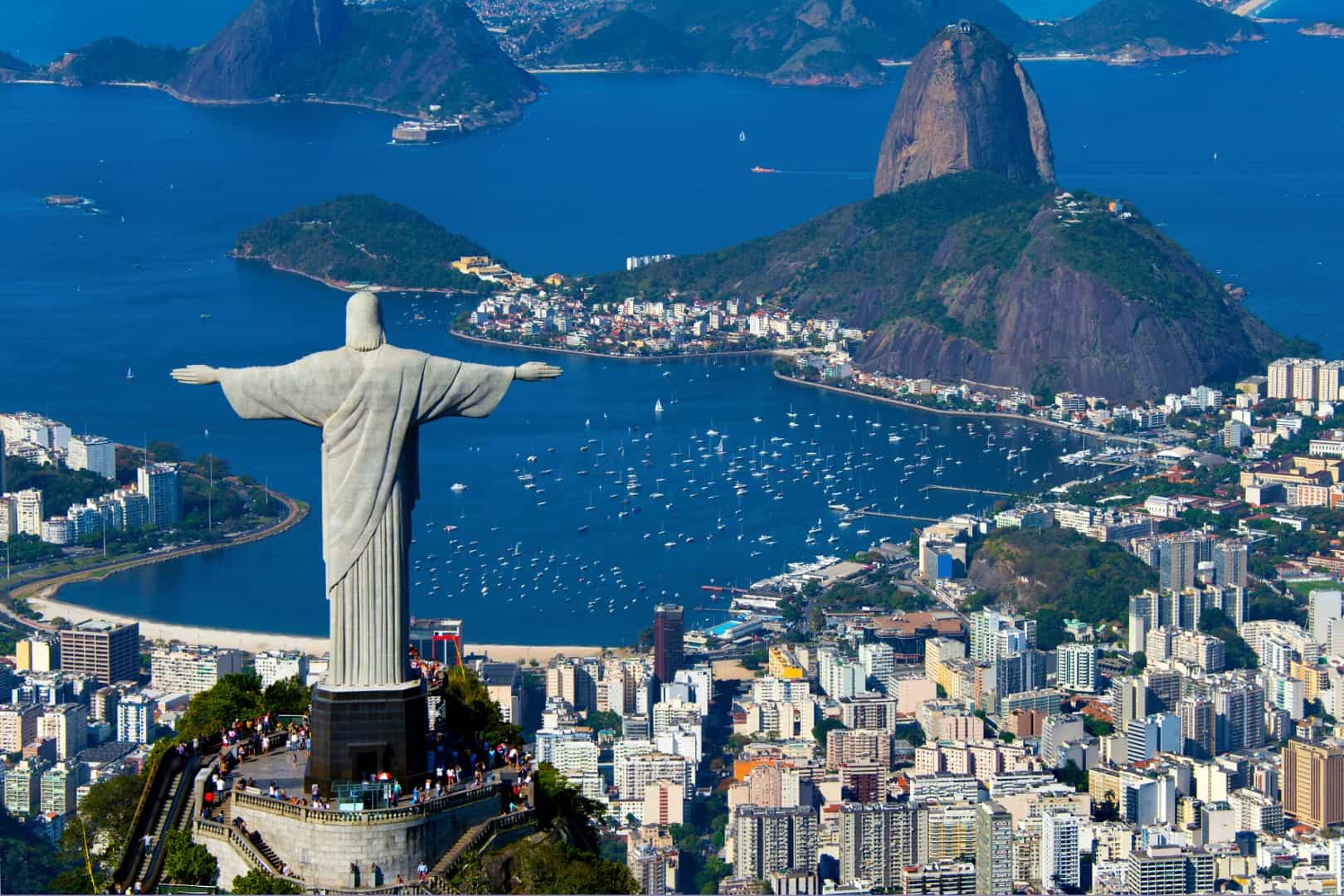
Why South America is Topping Every Travel Bucket List Now
South America has long captured the imagination of travelers seeking something beyond the ordinary. From the mist-shrouded peaks of the Andes to the rhythmic energy of coastal metropolises, the continent offers a sensory experience that is difficult to replicate elsewhere in the modern world.
As global travel patterns shift toward authentic cultural immersion and ecological preservation, South America has emerged as a frontrunner for 2026. This surge in popularity isn’t just about the scenery; it’s about a fundamental change in how we choose to spend our time away from home.
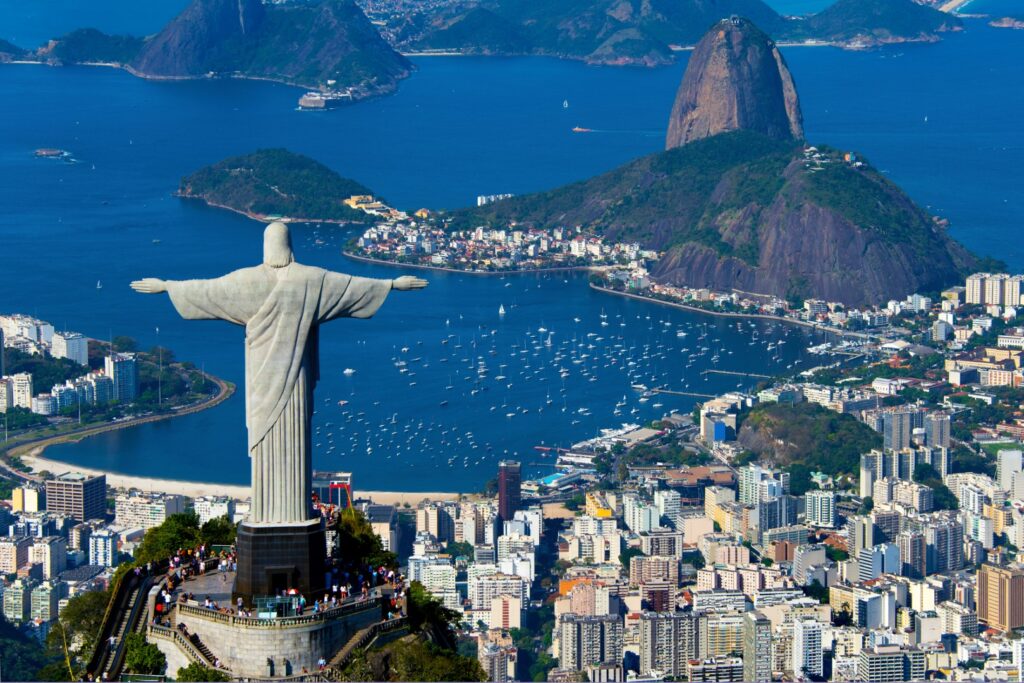
Planning such an expansive journey requires attention to detail, especially regarding entry requirements. For those heading to the largest nation on the continent, securing a Brazil e-DBV is a critical first step in ensuring a seamless entry into a country known for its vibrant festivals and natural wonders.
The continent’s appeal is bolstered by its incredible biodiversity, which remains some of the highest on the planet. Travelers are increasingly drawn to “slow travel” experiences, such as river cruises through the Amazon basin or extended treks in the remote reaches of Patagonia, where the pace of life slows down significantly.
According to the World Tourism Organization, international arrivals to South American destinations have seen a marked increase as infrastructure improves. Modernization of airports and more consistent digital services across rural areas have made the “wild” feel much more accessible to the average explorer.
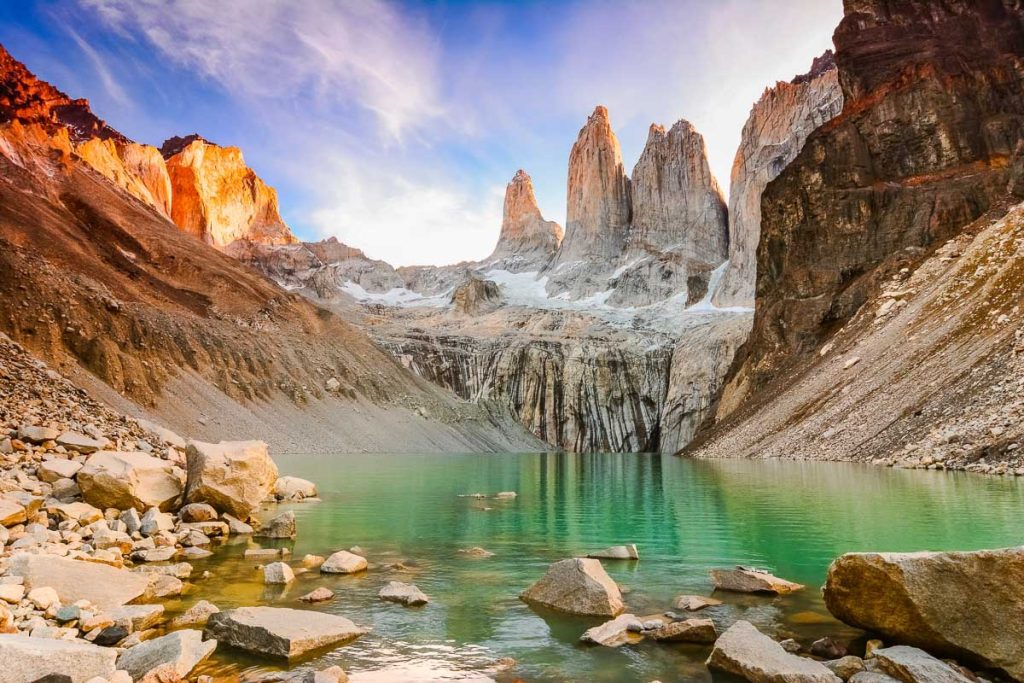
The Rise of Sustainable and Regenerative Tourism
One of the primary drivers behind the South American travel boom is the region’s commitment to sustainability. Many countries have transitioned from traditional tourism models to regenerative ones, where the goal is to leave the destination better than it was found.
In countries like Ecuador and Chile, eco-lodges are no longer just a niche market but a standard for luxury travel. These establishments often operate on 100% renewable energy and work directly with indigenous communities to preserve local traditions and knowledge.
Protecting natural heritage is a central theme in the region’s 2026 tourism strategy. Government initiatives have expanded protected marine areas and national parks, ensuring that the very landscapes people travel thousands of miles to see remain pristine for future generations.
Culinary Revolutions and Cultural Heritage
Beyond the landscapes, the “flavor” of South America is attracting a new wave of culinary tourists. Cities like Lima, Bogotá, and São Paulo have become global gastronomic hubs, with local chefs gaining international acclaim for their innovative use of native ingredients.
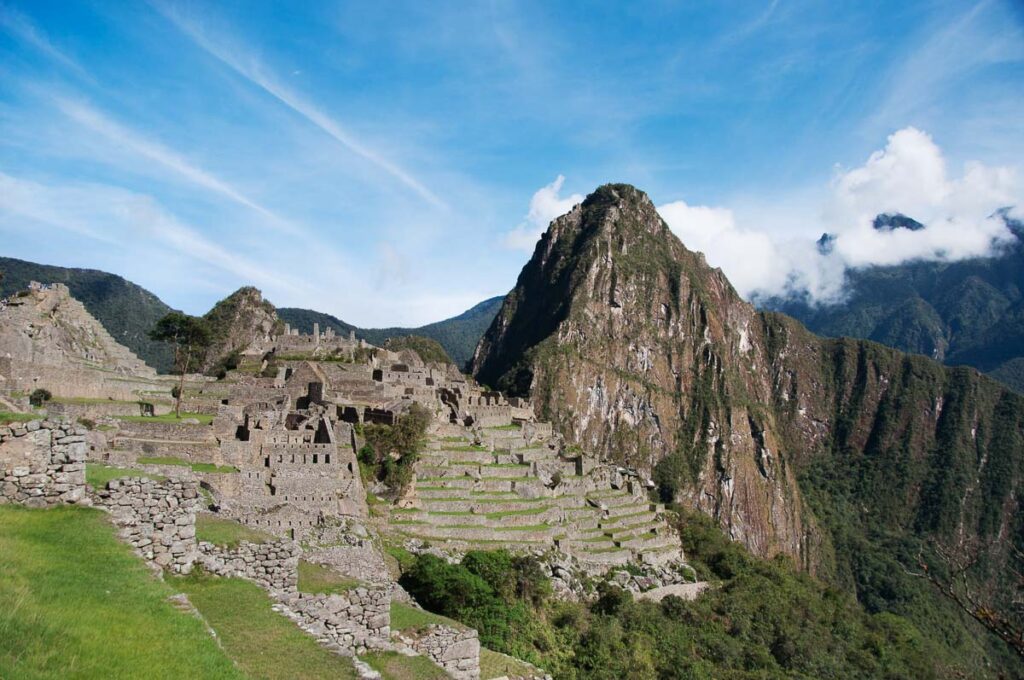
The intersection of history and modernity is visible in every corner of the continent. Travelers can spend a morning exploring 15th-century ruins and an evening at a world-class contemporary art gallery, bridging centuries of human achievement in a single day.
UNESCO World Heritage sites remain a massive draw, with places like Machu Picchu and the historic centers of Quito and Cartagena seeing steady interest. These sites serve as anchors for the regional tourism industry, providing a historical context that enriches the overall travel experience.
Navigating the Practicalities of Continental Travel
While the allure of South America is undeniable, logistical preparation remains the backbone of a successful trip. Understanding the varying visa requirements across borders is essential, as rules can change based on bilateral agreements and updated security protocols.
Many travelers find that using official government portals or verified third-party facilitators helps mitigate the stress of paperwork. It is always recommended to check current health advisories and travel alerts through official channels, travel sections or local embassy websites before departure.
Connectivity has also improved, with many regional carriers expanding their routes to include more direct flights from North America and Europe. This reduction in travel time has made even the most remote corners of the continent feel within reach for those with limited vacation windows.
The Best Time to Visit
Because South America spans both hemispheres and multiple climate zones, there is truly no “off-season” for the continent as a whole. When it is winter in the northern Andes, the beaches of the Atlantic coast are basking in tropical heat.
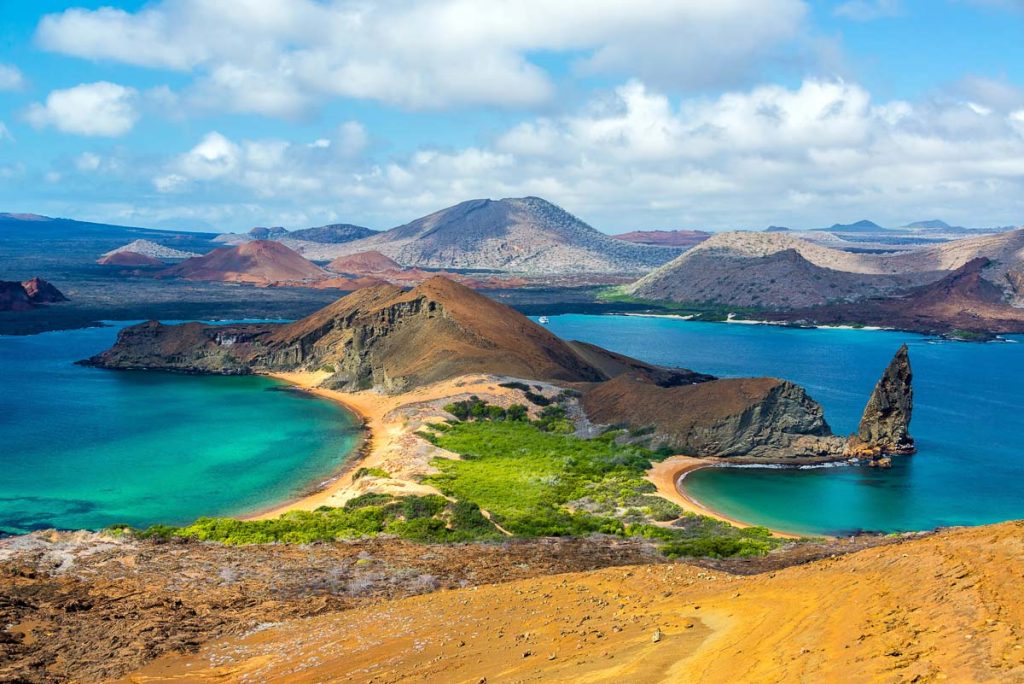
For those looking to avoid the largest crowds, the shoulder seasons of spring and autumn offer the best balance of favorable weather and manageable tourist numbers. This is particularly true for popular spots like the Galápagos Islands or the Iguazu Falls, where timing can drastically change the experience.
Budgeting for South America is also highly variable. While some regions remain incredibly affordable for those using stronger currencies, major metropolitan areas have seen a rise in prices reflecting their status as global luxury destinations. Planning a mixed-budget itinerary often yields the most diverse experience.
As we move through 2026, the continent continues to prove that it is much more than a collection of countries; it is a profound journey of discovery. Whether you are seeking adventure, relaxation, or cultural enlightenment, South America stands ready to exceed every expectation.

Catherine Xu is the founder and author of Nomadicated, an adventure travel blog that helps travelers cross off their bucket list. Since discovering traveling in 2015, she has lived and journeyed to 65 countries across 5 continents and vanlifed the west coast USA for 2+ years. These days, she splits her time in Southeast Asia and California while sharing her travel stories and resources based on first-hand experiences. Catherine's other works has been referenced in major publications like MSN, Self, and TripSavvy.